

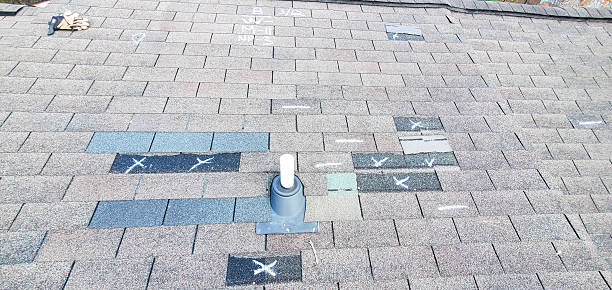
Most roof problems do not start with a dramatic collapse. They start small. A few shingles lift in the wind. A line of sealant dries out. A drop of water finds its way past a worn vent boot. Months later, a stain spreads across a bedroom ceiling and the homeowner starts searching for roof repair in Longview families can trust.
This guide explains the most common reasons homeowners in Longview, TX need professional roof repair. You will learn what causes each problem, which warning signs to watch for, and what a repair usually involves. The goal is to help you recognize trouble early, ask good questions, and decide when a repair is enough.
Why Roofs in Longview Wear Out Faster Than Many Owners Expect
East Texas weather is tough on roofing. Summers are hot and humid. Spring brings heavy rain, strong winds, and the risk of hail. Temperature swings cause roofing materials to expand and contract again and again. Over many seasons, this movement loosens fasteners and cracks sealant.
Sunlight adds another layer of wear. Ultraviolet rays break down asphalt, which makes shingles dry and brittle. Humidity encourages algae growth, and nearby trees drop leaves and branches that trap moisture. None of these forces cause damage overnight, but together they shorten the working life of a roof.
Common Reasons Homeowners Need Roof Repair
The following causes account for most service calls on residential roofs. Each one has its own signs and its own repair approach.
Storm and Hail Damage
Hail can crack shingles, bruise the mat beneath the granules, and knock protective granules loose. Wind can lift and fold back shingles, break the seal strips, or tear off pieces entirely. Falling branches may puncture the surface or damage flashing.
The tricky part is that storm damage is not always visible from the ground. A roof may look fine while hidden bruising weakens the shingles. Leaks may not appear for weeks. For this reason, many homeowners ask for an inspection after a heavy storm, even if nothing seems wrong.
Missing, Cracked, or Curled Shingles
Shingles are the outer shield of the roof. When they crack, curl, or go missing, the layer beneath is exposed to sun and water. Common causes include age, strong wind, poor ventilation, and heat. A single missing shingle can usually be replaced quickly. A pattern of curling or cracking across a whole slope may point to a roof that is nearing the end of its life.
Damaged or Worn Flashing
Flashing is the thin metal that seals the joints on a roof. It sits around chimneys, skylights, vents, walls, and valleys. These areas are where the roof changes direction or meets another surface, so they are natural entry points for water.
Flashing can rust, bend, or separate from the structure. The sealant that holds it in place also breaks down with time. Many leaks that homeowners blame on the shingles actually start at the flashing.
Worn Pipe Boots and Vent Seals
Plumbing vents pass through the roof, and each one is sealed with a rubber boot or collar. Rubber does not last as long as shingles. In the Texas heat, boots often crack within 10 to 15 years. Once the seal fails, water runs down the pipe and into the attic or ceiling. This is one of the most common and most affordable repairs, but it is easy to overlook.
Recurring Roof Leaks
A leak is a symptom, not a diagnosis. Water often travels along rafters before it drips, so the stain on the ceiling may be several feet from the real source. A careful inspector traces the water back through the attic and across the roof surface. Repairing only the visible stain without finding the source usually leads to the same leak coming back.
Poor Ventilation and Attic Moisture
A roof needs airflow beneath it. Without proper ventilation, hot air and moisture collect in the attic. This heat can bake shingles from below and shorten their life. Moisture can also cause mold, damp insulation, and rotted decking. Signs include a very hot attic, a musty smell, peeling paint on ceilings, and damp spots on roof boards.
Clogged or Damaged Gutters
Gutters carry water away from the roof edge. When they clog, water can back up under the shingles and soak the fascia and decking. Sagging gutters pull away from the house and allow water to run behind them. Gutter issues often show up as peeling paint on trim, stains below the roof edge, or water spilling over the sides during rain.
Tree Damage and Debris
Limbs that rub against the roof wear away granules. Branches that fall during a storm can puncture shingles. Piles of leaves hold water against the surface, which speeds up rot and algae growth. Keeping trees trimmed back reduces these risks.
Algae, Moss, and Staining
Dark streaks on a roof are usually algae. They are common in humid regions like East Texas. Algae is mostly a cosmetic issue at first, but heavy growth can hold moisture against the roof and affect the shingles over time. Moss is more serious because it lifts shingle edges and lets water in.
Aging Materials and Natural Wear
Every roofing material has a limited life. Asphalt shingles often last between 15 and 30 years. When a roof reaches that point, small repairs become more frequent. Granules collect in the gutters, shingles feel brittle, and leaks appear in more than one spot. At that stage, a professional can tell you whether a repair still makes sense or whether replacement is the better choice.
Installation Mistakes
Not every problem comes from weather or age. Some come from the original installation. Nails placed too high or too deep, missing underlayment, poor flashing details, and weak ventilation can all cause early failure. These issues may take years to show up, which makes them hard to trace without a proper inspection.
Quick Reference: Common Problems and Repair Approaches
The table below summarizes the typical problems, signs, and repair methods. It is a general guide only. A real inspection is the only way to confirm what your roof needs.
| Problem | Common Signs | Likely Cause | Typical Repair Approach |
|---|---|---|---|
| Hail or wind damage | Dented or cracked shingles, scattered debris | Severe weather | Replace damaged shingles, document damage for insurance |
| Missing or curled shingles | Bare patches, lifted edges | Age, wind, heat | Replace affected shingles and reseal edges |
| Flashing failure | Leaks near chimneys, walls, or valleys | Rust, bent metal, dried sealant | Reseal or replace flashing |
| Worn pipe boots | Leaks near plumbing vents | Cracked rubber seals | Install new boots or collars |
| Recurring leaks | Stains that return after painting | Hidden entry point | Trace source, repair decking or seals |
| Poor ventilation | Hot attic, musty smell | Too few vents or blocked airflow | Add or correct vents |
| Gutter problems | Overflow, peeling trim | Clogs or sagging sections | Clean, re-hang, or repair gutters |
| Algae and moss | Dark streaks, green growth | Humidity and shade | Cleaning, treatment, and repair of damaged areas |
| Aging roof | Granule loss, widespread wear | End of service life | Evaluate repair versus replacement |
How to Use This Table
Compare the signs you see around your home with the second column. Then note the likely cause and discuss it with a contractor. Do not try to diagnose complex issues alone, since the real source is often hidden under the surface.
Residential Roof Repair in Longview: What the Process Looks Like
Knowing the steps makes the experience less stressful. A typical project for residential roof repair in Longview homeowners request follows a pattern like this.
- Inspection. The contractor checks the roof surface, flashing, vents, and the attic or ceilings for moisture.
- Documentation. Photos are taken of any damage so you can see what the contractor sees.
- Explanation. The contractor describes the problems, the likely causes, and the options in plain language.
- Estimate. You receive a written scope of work with materials, price, and timeline.
- Repair. The crew completes the work, protects your landscaping, and removes debris and nails.
- Final review. The contractor reviews the finished work with you and explains any warranty.
A repair may take only a few hours, or it may take a day or more, depending on the damage. Larger issues, such as rotted decking, take longer.
How to Choose a Roofing Repair Company Longview Homeowners Can Rely On
Not every contractor handles repairs well. Some companies focus on large replacement jobs and treat small repairs as an afterthought. A dedicated roofing repair company in Longview owners hire should be comfortable with both small fixes and larger storm projects. When you compare businesses, look for these qualities.
Clear Communication
You should be able to reach the company, get a prompt reply, and receive a straightforward explanation of your options. If the contractor uses technical language without explaining it, ask for simpler terms.
Insurance and Credentials
Ask for proof of liability insurance and workers’ compensation coverage. This protects you if an accident or damage occurs during the project.
Written Estimates and Warranty Terms
Request a written estimate that lists materials, labor, cleanup, and timeline. Also ask about warranty terms for the work. For example, Hudson Roofing LLC states on its service page that it offers a 7-year transferable workmanship warranty. Whichever company you consider, get the terms in writing and read them closely.
Local Experience
A contractor who works in the area regularly knows how East Texas weather affects roofs. A local presence also makes follow-up visits easier. If you search for roofing services near me, check that the business actually serves your address and has a real local office. Some homeowners on the Upshur County side of the region also look for roof services Gilmer because the town sits a short drive from Longview.
About Hudson Roofing LLC
Hudson Roofing LLC is a family-owned business at 616 Main Street in Gilmer, TX. According to its website, owner Perry Hudson has more than 20 years of roofing experience and supervises each project. The company lists Longview, Tyler, Gilmer, and Henderson among its service areas. It works on shingle, metal, and flat roofing systems, and it provides free roof inspections, storm damage repair, leak repair, and gutter services for homes and commercial properties across East Texas.
Simple Habits That Help Prevent Repairs
You cannot stop the weather, but you can reduce the damage it does. These habits help:
- Clean gutters twice a year, or more often if trees overhang the house
- Trim branches that touch or hang above the roof
- Check the roof from the ground after each major storm
- Inspect the attic once or twice a year for moisture or light leaks
- Keep vents clear and make sure insulation does not block airflow
- Schedule a professional inspection every year or two, and sooner for older roofs
- Keep records of repairs, inspections, and warranties
These small tasks take little time and can extend the life of the roof by years.
Conclusion
Most roof problems have clear causes, and most have clear solutions when they are found early. Storm damage, worn flashing, cracked pipe boots, missing shingles, poor ventilation, and aging materials are the usual reasons homeowners need service. Watching for warning signs and acting quickly can keep a small repair from becoming a major expense.
If you would like a professional look at your roof, you can request a free estimate from Hudson Roofing LLC. You can also read more about the roof repair Longview service page before you decide.
Frequently Asked Questions
The most common reasons include storm and hail damage, missing or cracked shingles, worn flashing, failed pipe boots, recurring leaks, poor ventilation, and normal aging. East Texas heat, heavy rain, and wind all add stress over time.
Check the age of the roof, the extent of the damage, and whether leaks keep returning. Small, isolated problems on a younger roof can usually be repaired. Widespread damage or a roof near the end of its life often points to replacement. A professional inspection with photos will give you the clearest answer.
Not after every storm, but after any severe one. Hail and high winds can cause damage that is hard to see from the ground. A quick inspection can catch hidden problems and give you documentation if you decide to file an insurance claim.
Small repairs, such as replacing a few shingles or a pipe boot, may take only a few hours. Larger repairs that involve flashing, decking, or storm damage can take a full day or longer. Weather can also affect the schedule.
Often, yes. If the leak comes from a specific source, such as damaged flashing, a cracked boot, or a few broken shingles, a targeted repair can solve it. If the roof has widespread wear or several leaks, a contractor may recommend a larger repair or replacement.