

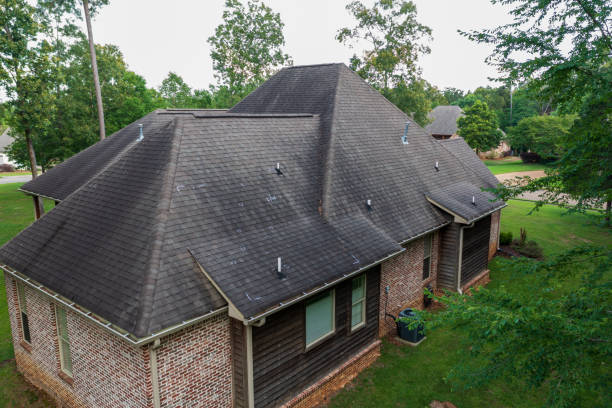
A new roof is one of the largest projects a homeowner will ever manage. It affects your budget, your schedule, and the protection of everything under it. Many people feel unsure when they start, because they have never gone through it before. They wonder how long it takes, what happens on each day, and what questions they should ask.
This guide walks you through roofing replacement Longview homeowners can expect from start to finish. It explains how to tell when a roof needs replacing, what happens during the project, which materials are common in East Texas, and how to choose a contractor. The goal is to help you feel prepared and confident before you sign anything.
If you are still comparing options, it helps to start with a trusted roofing in company that explains its process openly. Whichever business you choose, the steps below will help you judge whether the plan is clear and complete.
What Roof Replacement Actually Involves
Roof replacement means removing the existing roofing materials and installing a new roofing system. It is different from a repair, which fixes a limited area. A full replacement usually includes tear-off of the old layers, inspection of the roof deck, installation of new underlayment and flashing, and placement of the new roofing material.
A roof is made of several parts that work together:
- Roof deck. The wood base that supports everything above it.
- Underlayment. A protective layer that sits over the deck and blocks water.
- Flashing. Metal pieces that seal joints around chimneys, walls, vents, and valleys.
- Roofing material. The visible surface, such as shingles, metal panels, or a flat roof membrane.
- Ventilation. Vents that let hot air and moisture escape from the attic.
- Drip edge and trim. Edge pieces that guide water into the gutters.
A good replacement treats all of these parts as one system. Putting new shingles over a weak deck or worn flashing leads to early problems, so a careful contractor checks each layer.
Signs It May Be Time for a New Roof
Roofing professionals usually look at a few key points when they decide whether a roof needs replacement. Knowing them helps you understand what an inspector is checking.
1. The Age of the Roof
Age is the first question. Asphalt shingle roofs often last between 15 and 30 years, depending on the product, the installation, and the weather. In hot climates such as East Texas, roofs can wear faster than the label suggests. If your roof is near or past the middle of that range, the inspector will look closely at its condition.
2. The Condition of the Surface
Look at the shingles. Cracked, curled, or missing shingles show that the material is wearing out. Another sign is granule loss. Granules are the small stones that coat shingles and protect them from sunlight. When you find them in your gutters or at the base of downspouts, the shingles may be losing their protection. On metal roofs, the inspector looks for rust, loose fasteners, and damaged panels.
3. Leaks and Water Damage
Occasional leaks can often be fixed. Frequent leaks in several places are a different story. Water stains on ceilings, damp insulation, mold smells in the attic, and peeling paint can all point to a roof that is failing across a wide area. When leaks keep coming back after repairs, replacement may be the more reliable solution.
4. Sagging or Structural Concerns
A sagging roof line is a serious warning. It may mean the decking has absorbed moisture or the structure beneath has been weakened. Do not ignore it. A professional should inspect the roof as soon as possible, since the repair may involve more than the roofing surface.
Storm damage can also lead to replacement. Hail and wind can harm shingles across the whole roof, even when only part of the damage is visible from the ground.
Repair or Replacement: How to Decide
Homeowners often ask whether a repair is enough. The answer depends on the size of the problem and the age of the roof.
A repair may be enough when:
- Damage is limited to one area
- The roof is fairly young
- There is a single, clear source of leaking
- The decking and underlayment are in good shape
Replacement may be the better choice when:
- The roof is near the end of its expected life
- Leaks have returned after several repairs
- Damage covers large sections of the roof
- The decking is soft or rotted
- Storm damage affects most of the surface
Think about long-term cost as well. Paying for repeated repairs on an old roof can add up to more than the cost of a new one. At the same time, replacing a roof that only needs a small fix is a waste of money. A written inspection report with photos is the best way to decide.
The Roofing Replacement Longview Homeowners Can Expect: Step by Step
Every contractor has a slightly different routine, but most professional projects follow the same basic path. Here is what you can expect.
Step 1: Inspection and Assessment
The process begins with an inspection of the roof, the attic, and the surrounding areas such as gutters and fascia. The contractor looks for damage, moisture, and signs of wear. Photos are taken so you can see what the inspector sees.
Many contractors offer a free inspection. For example, Hudson Roofing LLC lists free roof inspections on its roof replacement in Longview page. Whichever company you choose, ask for the findings in writing.
Step 2: Reviewing Your Options and Materials
After the inspection, the contractor explains the condition of the roof and the options available. You will discuss materials, colors, and any upgrades, such as impact-resistant shingles or improved ventilation. This is a good time to ask why each option is recommended.
Step 3: Written Estimate and Agreement
You should receive a written estimate that lists the scope of work, the materials, the timeline, and the total price. The agreement should also state how hidden damage will be handled. Rotted decking is common, so ask how it will be priced and approved before extra work begins.
Read the agreement carefully. Check the warranty terms, payment schedule, and cleanup responsibilities before you sign.
Step 4: Insurance Coordination, If Needed
If a storm caused the damage, your insurance company may be involved. The usual steps are:
- The contractor documents the damage with photos.
- You open a claim with your insurer.
- An adjuster visits and reviews the roof.
- The insurer issues a report with the approved scope and estimated amounts.
- You and the contractor finalize the plan.
Your insurance company makes the final coverage decision. A contractor can document damage and attend the inspection, but cannot promise approval. Keep your policy, claim number, and photos in one folder.
Step 5: Scheduling and Material Delivery
Once the plan is approved, the contractor orders materials and sets a start date. Weather can affect the schedule, so allow some flexibility. Materials are often delivered a day or so before work begins and may be placed on the roof or in the driveway.
Step 6: Tear-Off and Deck Inspection
On the first day, the crew removes the old roofing layers. This is the noisiest and messiest part of the project. Once the roof is bare, the crew inspects the decking. Soft, rotted, or damaged boards are replaced so the new roof has a solid base.
This is the stage where hidden problems appear. A careful contractor shows you any damage found and explains what needs to be done.
Step 7: Underlayment, Flashing, and Drip Edge
After the deck is ready, the crew installs underlayment to create a second barrier against water. Drip edge is added along the roof edges, and new flashing is placed around chimneys, vents, walls, and valleys. These details do not look exciting, but they are among the most important parts of the job. Many roof leaks start at flashing, not at the shingles.
Step 8: Installing the New Roofing Material
Now the new surface goes on. For shingle roofs, the crew lays rows from the bottom edge upward, overlapping each row to shed water. Nails are placed in the correct position and driven to the right depth. For metal roofs, panels are fastened according to the manufacturer’s instructions. For flat roofs, the membrane is installed and the seams are sealed.
Step 9: Ventilation and Final Details
The crew installs or updates vents, ridge caps, and pipe boots. Proper ventilation helps control attic heat and moisture, which protects both the roof and your energy bills.
Step 10: Cleanup and Final Inspection
When the work is done, the crew cleans the property. This includes removing old materials, picking up nails with magnetic tools, and checking the yard and driveway. The contractor then walks the roof and reviews the finished work with you. You should receive warranty documents and invoices at this stage.
How Long Does Roof Replacement Take?
Most residential roof replacements take a few days. A smaller, simple roof may be finished in one or two days. A larger roof with many angles, valleys, or damaged decking may take longer. Weather is the biggest wildcard. Rain, strong winds, or extreme heat can delay work.
Commercial projects vary widely. A flat roof on a small building may take several days, while a large facility may take weeks. Ask for a written timeline before work begins, and ask how the crew will communicate if the schedule changes.
How to Choose a Roof Replacement Company Longview Property Owners Can Rely On
The contractor you pick matters as much as the material. Use this checklist to compare each option.
Local Experience
A contractor who works in East Texas understands the weather, the building styles, and the materials that hold up well. Ask how long the company has worked in the area and request recent local examples.
Insurance and Safety
Ask for proof of general liability and workers’ compensation insurance. These protect you if someone is injured or property is damaged. Also ask how the crew protects landscaping, windows, and outdoor items.
Written Estimates
Compare estimates line by line. A lower price may leave out underlayment, flashing, ventilation, or cleanup. The cheapest quote is not always the best value.
Warranty Terms
There are usually two warranties. One comes from the manufacturer and covers material defects. The other comes from the contractor and covers workmanship. Ask how long each lasts, whether it transfers to a new owner, and what could void it. Get everything in writing.
Supervision and Communication
Find out who will manage the project and how you can reach them. A contractor who answers questions clearly before the contract is signed is more likely to do the same during the work.
Reviews and References
Read recent reviews on more than one site. Look for patterns in comments about punctuality, cleanup, and how problems were handled. Ask for references from nearby customers.
Red Flags
Be careful if a company pressures you to sign right away, asks for full payment upfront, gives only a verbal estimate, or cannot show proof of insurance. A very low quote compared with others may also deserve extra questions.
A Local Example: Hudson Roofing LLC
To make these points concrete, here is how one local business describes itself. Hudson Roofing LLC is a family-owned company based at 616 Main Street in Gilmer, TX. As a roofing company in Gilmer, TX, it also lists Longview, Tyler, and Henderson among its service areas.
Conclusion
Roofing replacement Longview property owners plan for does not have to be stressful. When you understand the steps, from inspection and estimate to tear-off, installation, and cleanup, you can ask better questions and spot a careful contractor. Pay attention to the age of the roof, the condition of the surface, any leaks, and signs of sagging. Then compare materials, warranties, and written estimates before you decide.
If you would like a professional opinion on your roof, contact us today to schedule a free roof inspection with Hudson Roofing LLC. You can also review the company’s roofing replacement in Longview page for more details before you reach out.
Frequently Asked Questions
Look at the age of the roof, the condition of the shingles, the number of leaks, and any sagging areas. Cracked or missing shingles, granules in the gutters, and repeated leaks are common signs. A professional inspection with photos is the most reliable way to confirm.
Most residential projects take a few days, depending on roof size, shape, and weather. Hidden decking damage can add time. Commercial projects vary more. Ask for a written timeline before work begins.
The crew removes the old roofing as part of the replacement and takes it away. After installation, the contractor cleans the work area, collects nails, and clears debris from the property. Confirm cleanup details in your written agreement.
Sometimes. If the damage is limited and the rest of the roof is in good condition, a partial replacement or repair may work. If the damage is widespread or the roof is near the end of its life, a full replacement is often the better choice. An inspection will show which approach fits.
It can, depending on your policy and the cause of the damage. Storm damage is often reviewed through an insurance claim, while wear from age is usually not covered. Your insurance company decides coverage, so read your policy and ask your agent about your deductible.