

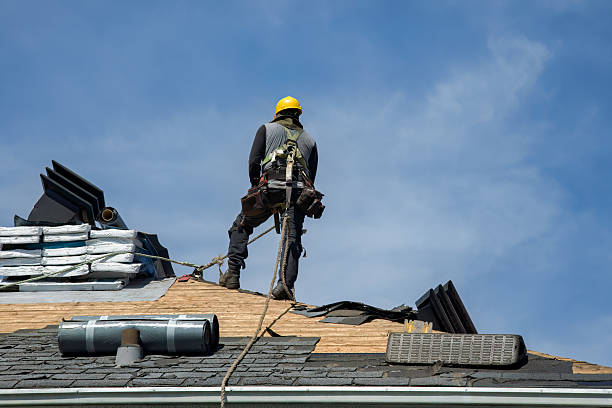
Your roof does more work than any other part of your property. It keeps out rain, blocks summer heat, and takes the hit when storms move through East Texas. When something goes wrong, you need to know who to call and what to ask. That is where a roofing specialist Longview property owners can rely on becomes useful.
This guide explains the roofing services in Longview owners can choose from, how the work is done, which materials suit the local climate, and how to compare different roofers. It is written for homeowners, landlords, and business owners who want clear information before they hire anyone.
You may be comparing a roofing company for a full replacement, or you may only want to understand a repair estimate. Either way, the sections below will help you make a calm and informed decision.
Why Roofing Matters for Longview Properties
Longview sits in the heart of East Texas. The area gets long, hot summers, heavy spring rain, strong thunderstorms, and the occasional hailstorm. Each of these puts stress on a roof in a different way.
Heat dries out roofing materials over time. Shingles can lose their protective granules, and sealants can crack. Heavy rain finds weak spots around flashing, vents, and chimneys. High winds can lift shingles or loosen metal panels. Hail can bruise shingles and dent metal, sometimes without leaving damage that is easy to see from the ground.
What a Roofing Specialist in Longview Actually Does
Many people think roofing is only about installing new shingles. In practice, the work covers a wide range of tasks. A roofing specialist Longview homeowners and business owners hire should be able to handle the following areas.
Inspection and Assessment
Every good project starts with an inspection. The specialist looks at the roof surface, flashing, vents, gutters, and drainage. They also check the attic or interior ceilings for signs of moisture. A proper inspection includes photos and notes, so you can see exactly what was found.
Repair and Replacement
Repairs cover problems such as missing shingles, damaged flashing, small leaks, and worn seals. Replacement is the better choice when damage is widespread or when the roof is near the end of its life. A fair specialist will explain which option makes sense and why, instead of pushing one choice.
Storm Damage Support
After a storm, roof damage is not always obvious. A specialist can document hail marks, wind damage, and impact points. This documentation is useful if you decide to file an insurance claim.
Maintenance and Preventive Care
Routine maintenance includes clearing debris, resealing flashing, checking gutters, and treating minor wear before it becomes a leak. Some property owners schedule yearly checks, especially for commercial buildings.
Roofing Services Available to Longview Property Owners
Different properties need different kinds of roofing work. Here is a breakdown of the main categories of work that local contractors offer.
Residential Roofing Services
Homeowners usually need help with shingle repair, full replacement, leak detection, or storm restoration. The residential roofing services in Longview homeowners look for typically include:
- Roof inspections for buying, selling, or insurance purposes
- Repair of leaks, flashing, and damaged shingles
- Complete tear-off and replacement
- Installation of new ventilation
- Upgrades such as impact-resistant shingles
Most houses in the area use asphalt shingles, though metal roofs are becoming more common. The right choice depends on your budget, your home’s design, and how long you plan to stay.
Commercial Roofing Services
Commercial buildings often have low slope or flat roofs. These roofs rely on membrane systems and careful drainage planning. Common services include membrane installation, seam repair, coating, leak tracing, and scheduled maintenance. Because a roof problem can interrupt business, commercial owners often value fast response times and clear documentation.
Gutters, Metal Roof Repair, and Related Exterior Work
Roofing does not stop at the shingles. Gutters carry water away from the roof edge and foundation. When they clog or sag, water can back up under the roofing and damage the fascia. Many roofing contractors also handle gutter repair, gutter guards, metal roof repair, and sometimes other exterior work such as windows, decks, and ramps. Asking about these services can save you from hiring several different companies.
Understanding Commercial Roof Edges: Coping vs Fascia
Commercial property owners often hear two terms during an estimate: coping and fascia. They sound similar, but they do different jobs.
Coping is the protective cap that sits on top of a parapet wall. A parapet is the short wall that rises above the roof line around the edge of many flat-roofed buildings. Coping keeps water from getting into the top of that wall. It is usually made from metal, stone, or precast concrete, and it slopes slightly so water runs off.
Fascia is the vertical band along the roof edge. On buildings without a parapet, fascia covers the ends of the roof structure and often supports the gutter. It also gives the roof edge a finished look.
Why the Difference Matters
If water gets behind damaged coping, it can soak the wall and the roof membrane below. If fascia is rotted or loose, gutters can pull away and water can reach the roof deck. Both parts are small compared with the whole roof, but a failure in either one can lead to larger repair bills.
When you review a commercial roofing estimate, check whether it covers the roof edge details. Ask what material will be used, how it will be fastened, and how water will be directed away from the building.
Signs Your Roof Needs Attention
Many roof problems start quietly. Here are signs that you should schedule an inspection.
- Water stains on ceilings or walls
- Missing, curled, or cracked shingles on the roof surface
- Granules collecting in gutters or at downspouts
- Daylight visible through the attic roof boards
- Sagging areas on the roof
- Rust or loose panels on a metal roof
- Ponding water that stays on a flat roof for more than a day after rain
- Higher energy bills that you cannot explain
- Damage after a storm, even if it looks minor
If you notice any of these, take photos and avoid walking on the roof yourself. Roofs can be slippery and unsafe. A trained inspector can check the area safely and tell you whether a repair will do.
How Storm Damage and Insurance Claims Usually Work
Storm damage is a common reason that people start looking for roofers in Longview TX. The process can feel confusing, so here is a simple overview.
- Inspect the roof. A contractor checks for hail, wind, and impact damage and takes photos.
- Contact your insurance company. You open a claim and receive a claim number.
- Meet the adjuster. The adjuster visits the property to review the damage. It helps to have your contractor present so nothing is overlooked.
- Review the scope of work. The adjuster prepares a report that lists the approved repairs and estimated costs.
- Plan the project. You and the contractor agree on materials, colors, and the schedule.
Keep in mind that your insurance policy and your insurer make the final decisions about coverage. A contractor can document damage and answer questions, but cannot guarantee approval. Read your policy, ask your agent about your deductible, and keep all paperwork in one place.
How to Choose Among Roofers in Longview TX
A quick search will show many options, so it helps to compare them using the same checklist. Whether you want a roofing company near me search result or a recommendation from a neighbor, look at these factors.
Experience and Local Knowledge
Ask how long the business has worked in East Texas. Local experience matters because weather, building codes, and common roof types vary by region. A contractor who has handled many roofs in the area will know which problems appear often.
Insurance and Licensing
Confirm that the business carries liability insurance and workers’ compensation coverage. This protects you if someone is injured or property is damaged during the job. Ask for proof, not just a verbal answer.
Clear Written Estimates
A good estimate lists the materials, the scope of work, the timeline, and the total cost. It should also state how the company handles unexpected issues, such as rotted decking found after the old roof is removed.
Warranty Details
There are usually two types of warranty. One comes from the manufacturer and covers the materials. The other comes from the contractor and covers the workmanship. Ask how long each lasts and what it covers. Get the terms in writing.
Reviews and References
Read recent reviews and ask for references from past customers. Look for patterns, such as how the company handled scheduling, cleanup, and communication.
Communication and Availability
Pay attention to how quickly the contractor responds to your first call. A business that answers questions clearly before you sign is more likely to do the same during the project.
When to Repair and When to Replace
This is one of the most common questions property owners ask. A repair makes sense when the damage is limited, the roof is fairly young, and the rest of the surface is in good shape. Replacement is often better when leaks keep returning, large areas are damaged, or the roof has reached the end of its expected life.
Conclusion
Roofing decisions are easier when you understand the basics. A reliable roofing specialist Longview property owners can trust will inspect carefully, explain your options in plain language, and give you a written estimate that matches the work. From asphalt shingles on a family home to membrane systems on a commercial building, the right material and installation make a real difference in how long your roof lasts.
If you would like a professional opinion on your roof, you can request a free consultation with Hudson Roofing LLC. You can also read more about roofers in Longview TX and the work they handle on the company’s service page.
Frequently Asked Questions
A roofing specialist inspects roofs, finds the cause of damage, and carries out repairs or replacements. They also work with metal, shingle, and flat roof systems, and they can document storm damage for insurance purposes. Many also handle gutters and routine maintenance.
Look at the age of the roof, the amount of damage, and how often leaks return. Small, isolated problems on a younger roof can often be repaired. Widespread damage, repeated leaks, or a roof near the end of its life usually points to replacement. An inspection with photos will give you a clear answer.
A typical residential roof replacement can be finished in a few days, though weather and roof size can change the schedule. Repairs may take only a few hours. Commercial projects vary widely, so ask for a written timeline before work begins.
Many do. A contractor can inspect the roof, document the damage, and meet the adjuster on site. However, your insurance company decides what is covered, so you should read your policy and ask your agent about deductibles and approval steps.
Asphalt shingles are a common and affordable option, and impact-resistant versions offer extra hail protection. Metal roofing handles wind, fire, and heat well and tends to last longer. For flat commercial roofs, TPO, EPDM, and modified bitumen are common choices. The best option depends on your budget, building type, and long-term plans.