

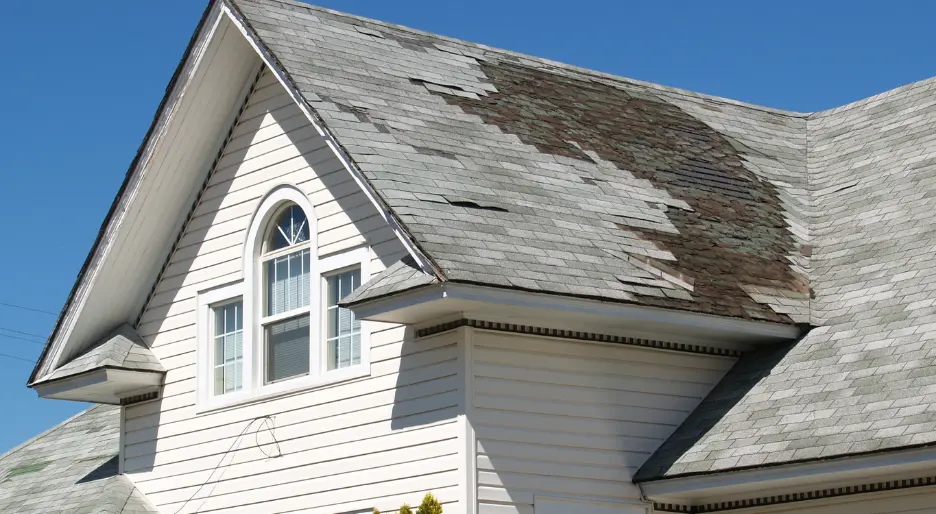
East Texas does not give much warning. A clear afternoon can turn into a severe storm within hours, and when that happens, your roof is the first and most important line of defense your home has. If your roof already has a weak spot, a compromised shingle, a small leak, or flashing that has started to separate, the next storm will find it.
The problem is that most homeowners do not think about their roof until water is already coming through the ceiling. By that point, what could have been a straightforward repair has often become something much larger and more expensive. This guide is for homeowners who want to get ahead of that situation. Whether you are dealing with visible damage from a recent storm or simply want to know your roof is ready for what is coming, this article walks you through everything you need to know about roof repair Longview TX, from early warning signs to the repair process itself.
Why Timing Matters More Than Most Homeowners Realize
There is a reason roofing professionals consistently advise homeowners to address roof issues before storm season rather than after. The reason is simple: damage compounds. A small area of missing granules on an asphalt shingle is a minor concern in dry weather. Under heavy rain and wind, that same spot becomes a water entry point. Once water gets past the outer roofing surface, it travels along the roof deck and into structural members, insulation, and eventually the interior of your home.
Understanding What Storms Actually Do to Your Roof
Before you can make smart decisions about repairs, it helps to understand how storm damage actually works. Different types of storm events create different types of roofing problems, and knowing the difference helps you communicate clearly with a roofing specialist and understand what you are being told during an inspection.
Wind Damage
High winds affect roofs in several ways. Strong gusts can lift shingle tabs, especially near the edges and ridgeline where uplift pressure is greatest. Once lifted, shingles may reseal in place after the storm, but their seal strip has been compromised and they are now more vulnerable. In more severe cases, shingles are partially or fully torn away, leaving sections of the underlayment or roof deck exposed. Wind can also pry up flashing at chimneys, vents, and wall intersections, creating entry points for water that are not immediately obvious from the ground.
Hail Damage
Hail damage TX homeowners deal with regularly is one of the more deceptive forms of roof damage. Large hailstones create obvious bruising and cracking on asphalt shingles, but even smaller hail causes granule loss that is not visible without climbing onto the roof. Granules are the outer protective coating on asphalt shingles.
Rain and Water Intrusion
Heavy rain exploits any weakness in the roof system. Ponding at clogged gutters forces water back under shingle edges. Wind-driven rain pushes moisture into areas that standard roof drainage is not designed to handle.
Even a briefly exposed section of roof deck during a storm can absorb enough water to begin warping, which creates additional problems down the line. Storm damage roof repair often involves not just addressing the obvious impact damage but tracing water pathways that have developed as a result of it.
What the Roof Repair Process Looks Like
When you bring in a qualified professional for roof repair Longview TX, there is a structured process that should unfold from the first contact through the completion of work.
The Initial Inspection
A thorough inspection is the starting point. The specialist will examine the entire roof surface, not just the area where problems are visible. They will check the condition of the shingles or roofing material, inspect all flashing locations, assess the gutters and drainage, and where possible, examine the attic for signs of moisture intrusion or ventilation issues.
Repair Planning and Material Selection
Once you have decided to proceed, the roofing professional will plan the repair scope in detail. This includes identifying matching materials for patch repairs, or if a significant portion of the roof is being addressed, discussing whether a full replacement is more practical than continued repairs on an aging system.
For properties with specific material types, the right expertise matters. Metal roofing, for example, has different repair requirements than asphalt shingle systems. A metal roof leak repair job involves different techniques, different sealing products, and different attention to thermal expansion than working on a shingle roof. Choosing a specialist familiar with your specific roof type produces better results.
The Repair Work Itself
Repair work varies widely depending on what was found. Simple repairs might involve replacing a small section of shingles, re-securing lifted sections, resealing flashing, or clearing drainage issues.
Regardless of the scale of the repair, the work should leave no exposed transitions or vulnerable edges. Every repair should be finished in a way that does not create new weak points nearby.
Post-Repair Inspection and Documentation
A professional who takes their work seriously will walk through the completed repair with you and provide documentation of what was done. This documentation is useful for insurance purposes, for future reference if the area is ever inspected again, and as a record that the work was completed to a specified standard.
Storm Damage Roof Repair and the Insurance Process
Many roof repairs following storm damage are at least partially covered by homeowners insurance, but the process of getting there requires some attention to detail on the homeowner’s part.
Document everything before repairs begin. Photograph the damage from as many angles as possible. If there are interior signs of water intrusion, photograph those as well. Date your photos so you can demonstrate the damage occurred during a specific storm event.
Contact your insurance company promptly. Most policies require you to report damage within a reasonable period. Delaying your claim creates complications. Notify your insurer that you have storm damage and that you are arranging a professional inspection.
Get a professional inspection report. Your insurance company will send an adjuster, but having an independent inspection report from a qualified roofer gives you a second assessment to compare against the adjuster’s findings. In some cases, insurance adjusters miss damage that an experienced roofer identifies. If there is a significant discrepancy between the adjuster’s assessment and your roofer’s assessment, you have the right to request a re-inspection or to work through a public adjuster.
The Difference Between a Quick Fix and a Proper Repair
Not all roof repairs are equal. One of the most important distinctions a homeowner can understand is the difference between a surface-level patch and a repair that actually addresses the underlying problem.
A quick patch might stop an active leak in the short term, but if the root cause is not addressed, the problem will return. Common examples include applying roofing sealant over deteriorated flashing without replacing the flashing itself, or laying new shingles over old ones without inspecting the underlayment and decking below. These approaches provide temporary relief at best and can mask ongoing damage that continues to get worse beneath the surface.
When you work with a qualified roof repair company in Gilmer or anywhere in the East Texas region, understanding this distinction helps you evaluate the recommendations you receive and ask informed questions about why a specific approach is being recommended.
Specific Considerations for Metal Roofs
Metal roofing is increasingly common in East Texas, both on residential properties and commercial buildings, because of its durability, longevity, and performance in heat and storms. But metal roofs have specific repair needs that differ from asphalt shingle systems, and not every roofing contractor has equal experience with them.
If you have noticed a metal roof leaking after a storm or during heavy rain, the source is often not obvious. Water can enter at a fastener location, travel along the metal panel for several feet, and appear to be dripping from a completely different spot. A specialist experienced with metal systems knows how to trace these pathways accurately and address them at the source rather than the symptom.
How to Choose the Right Roofer Before a Storm
When you need roof work done ahead of an approaching storm, time is compressed and the temptation to go with whoever is available quickly can be strong. Taking a few careful steps before you commit to a contractor protects you from poor work and potential fraud.
Look for local experience. Roofers in Longview TX who have been working in the region for years understand local building codes, local weather patterns, and the specific roofing challenges that East Texas properties present. They also have local references you can check.
Verify licensing and insurance. Texas requires roofing contractors to be registered, and they should carry both liability insurance and workers compensation coverage. Ask for documentation before any work begins. If a contractor is reluctant to provide this information, that is a significant warning sign.
Be cautious of storm chasers. After significant storm events, roofing contractors from outside the region often move through affected areas looking for work. Some of these contractors do legitimate work, but others disappear after taking deposits or do substandard work that fails within a season. Prioritizing established local contractors reduces this risk substantially.
Hudson Roofing serves homeowners and property owners across East Texas, including those looking for roof fixers in Gilmer and the surrounding communities, with experience in both residential and commercial roofing systems across a range of material types.
What to Do Immediately After Storm Damage Occurs
Even with the best preparation, storm damage can still happen. Knowing how to respond in the immediate aftermath reduces secondary damage and sets up the repair process correctly.
Stay safe first. Do not go onto your roof during or immediately after a storm. Wet roofing surfaces are slippery, structural damage may not be visible from a distance, and electrical hazards from downed lines can exist nearby.
Contact a qualified professional to schedule an inspection as soon as conditions allow. Many roofing companies prioritize storm inspection appointments and can often get to properties within a day or two of a significant weather event. Contacting roof repair services in Gilmer and surrounding areas early means getting into the queue before the backlog builds.
Conclusion
Your roof does not need to be perfect to protect your home through the next storm, but it does need to be sound. Small problems left unaddressed have a way of becoming large ones at the worst possible moment. Taking the time to assess your roof’s condition, address known vulnerabilities, and work with a qualified professional before storm season is one of the most practical investments a homeowner in East Texas can make.
If you are ready to get a professional assessment or schedule roof repair services in Gilmer and the broader Longview area, reach out to Hudson Roofing today. You can contact the team directly to schedule an inspection, get a written estimate, or ask questions about your specific situation. Getting informed costs nothing, and knowing where you stand before the next storm arrives is always worth it.
Frequently Asked Questions
1: How do I know if my roof damage needs an insurance claim?
If repair costs exceed your deductible, file a claim. Get a professional estimate first to decide.
2: How long does storm damage roof repair take?
Minor repairs take one day. Larger repairs or full replacements may take several days depending on damage and material availability.
3: Can I do temporary repairs myself?
You can place a tarp over exposed areas in dry conditions. Avoid sealants or adhesives, as they may affect insurance assessments.
4: Why does my metal roof leak in some spots?
Water travels along panels before dripping. Leaks often start at fasteners, seams, or penetrations, not where you see them.
5: How often should I inspect my roof in East Texas?
Inspect once a year, plus after every major storm. Roofs over 15 years old need twice-yearly checkups.