

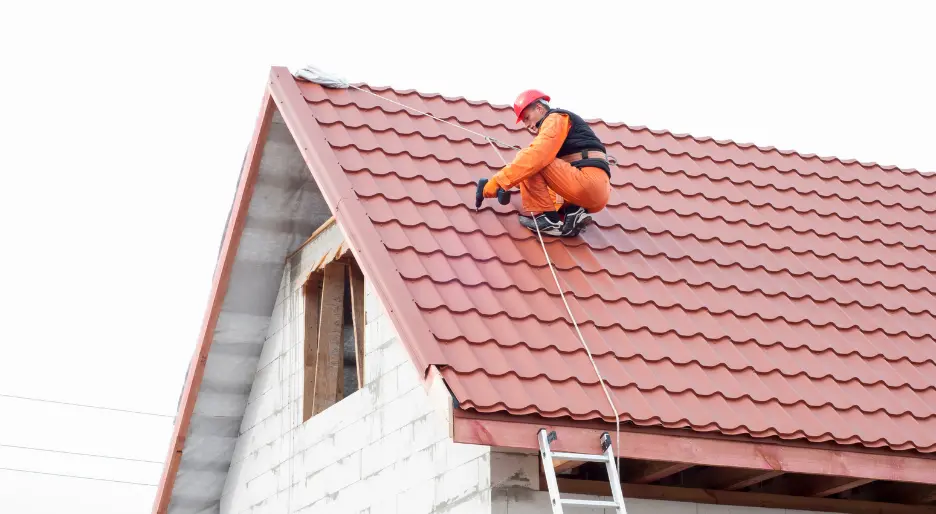
If your roof is leaking, aging faster than it should, or driving up your cooling bills every summer, the issue often isn’t the roofing material itself, it’s how the roof was assessed, repaired, or installed in the first place. A roofing specialist in Longview improves roof performance by treating your roof as a complete system rather than a stack of shingles, addressing ventilation, drainage, and material fit together instead of patching symptoms one at a time. Here’s what that actually looks like in practice, and why it matters for how long your roof lasts.
Roof Performance Is More Than “No Leaks”
When people say a roof is “performing well,” they usually just mean it isn’t leaking. But performance covers a lot more ground:
- How efficiently it regulates attic temperature
- How well it sheds water during heavy East Texas rain
- How it holds up under wind uplift and hail impact
- How evenly it ages across its expected lifespan
- Whether it’s still under full manufacturer warranty coverage
A roof can be leak-free today and still be underperforming in three of those five areas. That’s usually where a specialist’s eye catches what a routine glance misses.
Roofing Contractors vs. Specialists: Where the Gap Shows Up
Plenty of roofing contractors can install shingles correctly. The gap tends to show up in the details that don’t get noticed until years later.
| What Happens On the Job | General Roofing Contractor | Roofing Specialist |
| Ventilation assessment | Often skipped or assumed adequate | Calculated based on attic size and airflow needs |
| Material recommendation | Standard option, regardless of exposure | Matched to wind/hail rating for the specific home |
| Flashing detail work | Done to pass inspection | Done to prevent long-term moisture intrusion |
| Post-storm follow-up | Reactive, after a complaint | Proactive inspection built into service |
| Warranty documentation | Sometimes incomplete | Documented to keep manufacturer coverage intact |
Neither path is necessarily a “bad” job. But the specialist’s approach is built around performance over the roof’s full lifespan, not just getting through installation day.
Four Ways a Specialist Changes the Outcome
1. They Diagnose Before They Recommend
Instead of starting with a quote, a specialist starts with an assessment: attic ventilation, decking condition, flashing integrity, and the roof’s exposure to prevailing wind and sun. That diagnosis shapes everything that follows.
2. They Match Materials to Your Home’s Exposure, Not Just Your Budget
A home with heavy tree cover and shade needs different considerations than one with full sun exposure and direct wind off an open field. A specialist factors that in rather than recommending a one-size option.
3. They Install With the Warranty in Mind
Manufacturer warranties often have specific installation requirements, like nailing patterns or underlayment type, that get overlooked under time pressure. A specialist documents the installation specifically so the warranty holds up if you ever need it.
4. They Build in Maintenance, Not Just Repairs
A one-time repair fixes today’s problem. A specialist typically sets homeowners up with a maintenance rhythm, an annual inspection plus a post-storm check, so small issues get caught while they’re still small.
A Quick Story: Why Diagnosis Matters
A homeowner in Longview noticed a small water stain on a bedroom ceiling and assumed it was a roof leak directly above. A general repair would have patched that spot. A specialist traced the moisture path and found the actual entry point was a poorly sealed vent boot nearly eight feet away, water had been traveling along the decking before showing up on the ceiling. Patching the visible stain alone wouldn’t have solved anything; the leak would have returned within a season.
This is the kind of detail-level diagnosis that separates a quick fix from an actual performance improvement.
Warning Signs Your Roof’s Performance Is Already Slipping
- Rising cooling costs without a clear cause
- Shingles that look fine but feel soft or spongy underfoot
- Granules collecting in gutters faster than expected for the roof’s age
- Uneven wear, with one slope aging faster than the rest
- Musty smell in the attic that doesn’t trace to an obvious leak
None of these necessarily mean an emergency, but they’re worth a specialist’s evaluation rather than waiting for a visible leak to confirm the problem.
What to Ask Before Hiring a Roofing Specialist in Longview
- Do you assess attic ventilation as part of every inspection?
- How do you document work to preserve manufacturer warranty coverage?
- What’s your process for diagnosing leaks that aren’t directly under the visible damage?
- Can you walk me through material options suited to my home’s sun and wind exposure?
- Do you offer a maintenance plan, or is it one-time service only?
A contractor’s answers to these questions usually tell you more than a quote ever will.
Final Words:
If your roof has been patched more than once for the same problem, or you’re just not sure how it’s actually performing, Hudson Roofing can take a closer look. Reach out to schedule an inspection built around long-term performance, not just a quick fix.
FAQs
Is a roofing specialist necessary for a simple repair, or just for full replacements?
Even small repairs benefit from a specialist’s eye, since a quick patch on a symptom can leave the underlying cause untreated, as in the vent boot example above.
How long does a typical roof inspection take?
A thorough inspection covering the attic, flashing, shingles, and ventilation usually takes longer than a quick rooftop walk-through, often an hour or more depending on the home’s size and roof complexity.
Will a specialist’s documentation actually affect my warranty claim later?
Yes, many manufacturers require proof of proper installation methods to honor a warranty claim, and incomplete documentation is a common reason claims get denied.
Can poor ventilation really affect my energy bills?
Yes, inadequate attic ventilation traps heat that radiates into living spaces, which can noticeably increase cooling costs during Longview’s hot summers.
What’s the difference between a roof inspection and a roof assessment?
The terms are often used interchangeably, but a deeper assessment typically includes attic conditions and ventilation analysis, not just a visual check of the shingles from the roof or ground.