

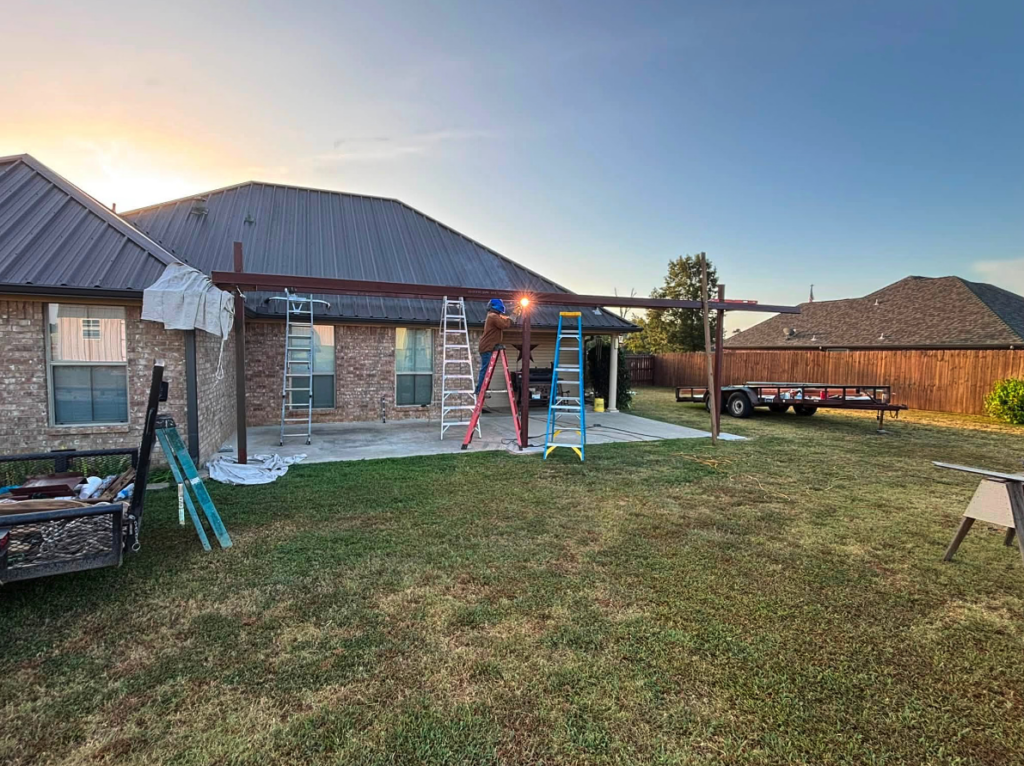
Metal roofing is known for being durable and long lasting, but that does not mean it is maintenance free. Over time, even a well installed metal roof can develop leaks, loose fasteners, or worn seams. Knowing what to expect from your roof, and when it needs metal roof repair, helps you avoid costly damage down the road.
This guide covers how long metal roofs typically last, common signs of damage, and what a proper metal roof repair process looks like. If you are already noticing issues, an experienced metal roof repair company in Gilmer can help assess the damage and walk you through your options.
How Long Does a Metal Roof Actually Last
Metal roofing is one of the longer lasting roofing materials available. Depending on the type of metal and quality of installation, a metal roof can last anywhere from several decades up to fifty years or more. This is significantly longer than standard asphalt shingles, which is one reason many property owners choose metal in the first place.
However, lifespan depends heavily on a few factors. The type of metal used, whether steel, aluminum, or copper, affects durability. The quality of the original installation matters just as much. Poor seam work or improper fastening can lead to early problems that require metal roof repair long before the material itself would normally wear out. Local climate also plays a role. Homes exposed to frequent storms, high winds, or extreme heat may see more wear over time and need repair sooner than roofs in milder conditions.
Even with a long expected lifespan, metal roofs still need regular checks. Occasional metal roof repair helps them reach their full potential and protects the rest of your home from water damage.
Common Signs Your Metal Roof Needs Repair
Metal roofs are tough, but they are not immune to damage. Recognizing the early signs of trouble means you can schedule metal roof repair before a small issue becomes a major one. Here are the most common warning signs to watch for.
Visible Rust or Corrosion
Rust spots, especially around fasteners or seams, are one of the earliest signs that metal roof repair may be needed. Left unaddressed, rust can spread across the panel surface. Eventually it creates small holes that let water through into the layers below.
Loose or Missing Fasteners
Metal panels are held in place with screws or clips. Over time, these can loosen due to weather exposure or repeated temperature changes. This causes panels to shift slightly and creates gaps where water can enter, which is a common reason property owners call for metal roof repair.
Leaks Around Seams or Flashing
Metal roof leaking is often traced back to seams between panels or flashing around chimneys, vents, and skylights. These areas are more vulnerable to wear than the flat panel sections themselves, and they are usually the first place a repair technician will check.
Dents or Punctures
Hail, falling branches, or foot traffic during maintenance can dent or puncture metal panels. Even small punctures can allow water to seep in over time, so they should not be ignored even if they seem minor.
Fading or Peeling Coating
Most metal roofs have a protective coating that helps resist corrosion. When this coating starts to fade, peel, or chalk, the underlying metal becomes more vulnerable to rust and wear, which can eventually require more extensive repair work.
Unusual Noises During Storms
Excessive rattling or banging during wind can indicate loose panels or fasteners. Some sound is normal with metal roofing. But unusually loud noise is often a sign something needs to be checked and possibly repaired.
Why Metal Roof Leaks Happen
Understanding the root cause of a leak helps set the right expectations for repair. Metal roof leak repair typically addresses one of a few common issues.
Seam Failure
Metal panels are joined together at seams, which are one of the most common points of failure. Over time, sealants can dry out or shrink. This creates small gaps that let water through during heavy rain, making seam resealing one of the most frequent metal roof repair tasks.
Fastener Backout
As metal expands and contracts with temperature changes, screws can slowly back out of place. This creates small openings around each fastener that gradually let moisture in, even if the panel itself is undamaged.
Flashing Issues
Flashing around penetrations, such as vent pipes or chimneys, is designed to keep water out of vulnerable transition points. If flashing was installed poorly or has deteriorated over time, it becomes a common source of leaks and a frequent focus of metal roof repair work.
Improper Installation
Some leaks trace back to the original installation. Incorrect panel overlap or missing sealant at critical points are common culprits that show up years later as leaks. This is why choosing an experienced team for both installation and metal roof repair matters so much.
Metal Roof Maintenance: What It Should Include
Regular maintenance goes a long way toward extending the life of a metal roof. It also helps catch small issues before they require more involved metal roof repair.
Routine Visual Inspections
A basic visual check twice a year, plus after any major storm, helps catch early signs of rust, loose panels, or damaged flashing before they lead to leaks that need repair.
Clearing Debris
Leaves, branches, and dirt can trap moisture against the roof surface, which speeds up corrosion. Keeping the roof and gutters clear helps prevent this buildup and reduces the chance of needing repair later.
Checking Fasteners
Over time, fasteners can loosen. Periodic checks and tightening, where needed, help prevent gaps from forming around screws and clips before they turn into a leak.
Resealing Seams and Flashing
Sealants around seams and flashing break down over time due to sun and weather exposure. Reapplying sealant as part of routine metal roof maintenance helps prevent water intrusion before it starts, often avoiding the need for a larger repair.
Addressing Rust Early
Small rust spots are much easier and cheaper to treat early than after they have spread. Catching this during routine inspection prevents more significant metal roof repair later on.
When to Call a Professional for Metal Roof Repair
Some minor maintenance tasks can be handled by property owners themselves. But metal roofing often requires specialized tools, safety equipment, and experience to repair correctly. Here is when it makes sense to call in a professional.
Persistent or Recurring Leaks
If you have tried to identify or patch a leak without success, it is time to bring in a team that specializes in metal roof leak repair. A professional can trace the leak to its actual source, which is not always where the water appears inside your home.
Visible Structural Damage
Dents, punctures, or areas where panels have shifted out of place should be assessed by a professional. They can determine whether metal roof repair is sufficient or if panel replacement is needed instead.
Rust That Has Spread
Widespread rust often requires more than a simple touch up. A professional can assess whether treatment is enough or if affected panels need replacement as part of the repair.
After Major Storms
Following hail, high winds, or fallen debris, a professional inspection helps catch damage that may not be obvious from the ground, before it turns into a costly repair.
Finding Reliable Metal Roof Repair Near You
If you are searching for metal roofers near me who specialize in leak repair, it helps to look for a team with specific experience in metal roofing rather than a general contractor. Metal roof repair techniques differ significantly from asphalt shingle repair, so specialized experience matters more than it might seem at first.
Ask about their experience with your specific type of metal roofing, whether that is standing seam, corrugated panels, or metal shingles. Request examples of past repair work. Also ask how they diagnose the source of leaks before starting any work, since a rushed diagnosis often leads to repeat repairs.
What a Professional Metal Roof Repair Process Looks Like
A proper metal roof repair process should be thorough rather than a quick patch job. Here is what to expect from an experienced team.
Step 1: Full Inspection
The process should start with a detailed inspection of the entire roof, not just the area where damage is visible. This helps identify related issues, such as loose fasteners elsewhere on the roof, that may cause future leaks if left unaddressed.
Step 2: Leak Tracing
For active leaks, the contractor should trace water back to its actual entry point. This can be located some distance from where the leak appears inside your home, which is why a surface level look is often not enough.
Step 3: Written Assessment
You should receive a clear explanation of what is causing the issue, along with a written estimate for the repair work involved before anything begins.
Step 4: Repair Work
Depending on the issue, repair may involve resealing seams, replacing fasteners, treating rust, repairing flashing, or replacing damaged panels entirely.
Step 5: Final Check
After the repair, the contractor should verify the fix addresses the original issue. They should also check for any other areas that may need attention soon, so you are not caught off guard by a new leak shortly after.
Working With Experienced Metal Roofers
Choosing a team with specific metal roofing experience makes a real difference in the quality and durability of your repair. Trusted metal roofers serving Gilmer should understand the unique properties of metal panels, including thermal expansion, proper fastening techniques, and the right sealants for long term durability.
Hudson Roofing has worked with property owners across the Gilmer area on metal roof repair, from minor maintenance issues to more significant leak repairs. Working with a local team that understands weather patterns, including heat and storm exposure common to this region, often leads to more accurate diagnosis and longer lasting repair work.
Final Thoughts
Metal roofing is built to last, but it still requires attention over time. Catching small issues, such as loose fasteners, minor rust, or early signs of a leak, before they turn into larger problems is the most effective way to protect your investment and get the most out of your roof’s lifespan.
Regular maintenance, paired with a prompt response to any warning signs, helps avoid costly interior damage and extends the life of your roof significantly. If you are dealing with a leak, visible damage, or simply want a professional metal roof repair assessment near me, contact Hudson Roofing to schedule an inspection. Their team can help identify the issue and walk you through the right repair option for your roof.
Frequently Asked Questions
Depending on the material and installation quality, metal roofs can last several decades, often outlasting asphalt shingle roofs by a significant margin.
Common causes include seam failure, loosened fasteners, damaged flashing, and improper original installation. A professional inspection can identify the exact source and the right metal roof repair approach.
Yes, small rust spots can often be treated before they spread, especially when caught early during routine inspection or maintenance.
A general guideline is twice a year, along with an inspection after any major storm that could have caused damage requiring repair.
Yes, metal roof repair requires different tools, techniques, and sealants compared to asphalt shingles, so it is best handled by a team with specific metal roofing experience.