

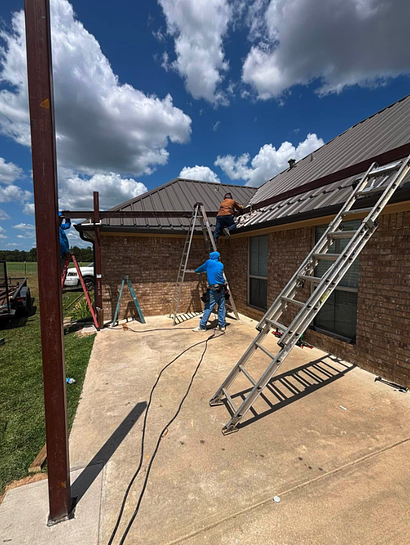
A leaking metal roof rarely starts as a big problem. It usually begins small. A drip during heavy rain. A small stain on the ceiling. A bit of rust near a seam. Left alone, these small signs can turn into real damage.
This guide explains what causes a metal roof to leak, how to spot the early signs, and how regular maintenance helps prevent bigger issues. If your roof is already showing signs of trouble, a team offering metal roof repair in gilmer property owners trust can inspect the damage and explain your options.
Why Metal Roofs Still Need Regular Care
Metal roofing is known for being tough. It can last decades longer than asphalt shingles. But tough does not mean maintenance free. Panels expand and contract with temperature changes. Fasteners loosen over time. Sealant at the seams breaks down under years of sun and rain.
Without regular checks, small issues go unnoticed. A loose screw here. A worn seam there. Over time, these small gaps let water in. That is often how a metal roof leak starts, long before anyone notices a drip inside the home.
Common Signs of a Metal Roof Leak
Catching a leak early makes repair faster and cheaper. Here are the most common signs that your metal roof leaking is a real concern.
Water Stains on Ceilings
Brown or yellow stains on a ceiling are one of the clearest signs of a leak. Water often travels along the roof deck before it drips down. So the stain may not be directly under the actual leak point.
Rust Spots on Panels
Small rust spots, especially near screws or seams, are an early warning sign. Left alone, rust spreads. It can eventually create small holes that let water through the metal itself.
Musty Smells in the Attic
A musty or damp smell in the attic often points to trapped moisture. This can happen even before visible stains show up on the ceiling below.
Peeling Paint or Bubbling Walls
Moisture trapped behind walls can cause paint to peel or bubble. This is often a sign that water has been getting in for some time.
Loose or Missing Fasteners
Screws and clips hold metal panels in place. When these loosen or fall out, small gaps form. Water can slip through these gaps during storms.
Visible Daylight in the Attic
If you can see light coming through the roof boards from inside the attic, that is a clear sign of a gap that needs repair.
What Causes a Metal Roof to Leak
Understanding the root cause helps set the right expectations for repair. Metal roof leak repair usually addresses one of the following issues.
Seam Failure
Metal panels are joined at seams. Sealant at these joints can dry out and shrink over the years. This creates small gaps that let water through during heavy rain.
Fastener Backout
As metal expands and contracts with heat and cold, screws can slowly work their way loose. This leaves small openings around each fastener.
Flashing Problems
Flashing sits around chimneys, vents, and skylights. If it was installed poorly, or has worn down over time, it becomes a common leak point.
Storm and Impact Damage
Hail, falling branches, or strong wind can dent or puncture panels. Even a small puncture can let water in slowly over time.
Poor Original Installation
Some leaks trace back to how the roof was first installed. Wrong panel overlap or missing sealant at key points can cause leaks years later.
Metal Roof Maintenance: What It Should Include
Routine care helps catch small issues before they turn into leaks. Good metal roof maintenance should include the following steps.
Visual Checks Twice a Year
A simple visual check, done twice a year and after any major storm, helps catch rust, loose panels, or damaged flashing early.
Clearing Debris From the Roof
Leaves and branches trap moisture against the roof surface. This speeds up rust and wear. Keeping the roof and gutters clear helps prevent this.
Tightening Loose Fasteners
Screws and clips should be checked and tightened as needed. This simple step prevents small gaps from forming around each fastener.
Resealing Seams
Sealant at seams and flashing wears down with age. Reapplying sealant during routine maintenance stops water from getting in before it becomes a real problem.
Treating Rust Early
Small rust spots are much easier to treat early. Waiting until rust spreads makes the fix more involved and more costly.
When to Call a Professional
Some small tasks can be handled by a property owner. But metal roofing often needs special tools and training to repair the right way. Here is when it makes sense to call a pro.
The Leak Keeps Coming Back
If you have tried to find or patch a leak without success, it is time to call in help. A team that focuses on metal roof leak repair can trace the water back to its true source, which is often not where the stain appears.
You See Clear Damage
Dents, punctures, or shifted panels should be checked by a pro. They can tell if a simple repair is enough or if the panel needs full replacement.
Rust Has Spread
Once rust covers a wider area, a simple touch up may not be enough. A pro can check if the panel needs treatment or full replacement.
After a Big Storm
Following hail or high wind, a full inspection helps catch damage that is hard to see from the ground.
Finding Reliable Metal Roof Repair Near You
If you are searching for metal roof repair near me, look for a team with real experience in metal roofing, not just general roof work. Metal panels need different tools and skills compared to asphalt shingles.
Ask about their experience with your roof type, whether that is standing seam, corrugated panels, or metal shingles. Ask to see past repair work. Ask how they find the true source of a leak before starting any job.
What a Proper Repair Process Looks Like
A good repair should be thorough, not a quick patch. Here is what a solid process looks like.
Full Roof Inspection
The process should start with a full check of the whole roof, not just the spot with visible damage. This helps catch other loose spots that could leak soon.
Tracing the Leak
For active leaks, the team should trace the water back to where it actually enters. This point can be far from where the stain shows up inside.
A Clear Written Estimate
You should get a clear explanation of the cause, plus a written estimate before any work starts.
The Repair Itself
Depending on the issue, this may mean resealing seams, replacing screws, treating rust, fixing flashing, or swapping out damaged panels.
A Final Check
After the repair, the team should confirm the fix worked. They should also flag any other spots that may need attention soon.
Working With Local Metal Roofers
Choosing a team with real metal roofing experience makes a big difference in how long a repair lasts. Metal roofers gilmer property owners trust should understand how metal expands and contracts, the right fastening methods, and the correct sealants for lasting results.
Hudson Roofing has worked with property owners across the Gilmer area on metal roof repair, from small maintenance fixes to bigger leak repairs. A local team that knows the area’s heat and storm patterns often gives a more accurate diagnosis and a repair that holds up longer.
Common Mistakes to Avoid
A few common mistakes can cost property owners more time and money down the road.
Ignoring Small Rust Spots
Small rust spots are easy to overlook. But they tend to grow if left alone. Catching them early is far cheaper than dealing with them once they spread.
Using the Wrong Sealant
Not every sealant works well on metal roofing. Using the wrong type can lead to early failure and repeat leaks.
Trying DIY Repairs on Steep Roofs
Metal panels can be slippery, especially when wet. Working on a steep roof without the right gear carries real risk.
Waiting Too Long to Fix a Leak
Putting off repair after finding a leak often leads to bigger interior damage. This raises the total cost compared to fixing it early.
Final Thoughts
Metal roofing is built to last, but it still needs regular care. Catching small signs early, like a loose screw, a bit of rust, or a faint musty smell in the attic, is the best way to avoid a costly repair later.
Routine maintenance paired with a quick response to warning signs protects your home and extends the life of your roof. If you are dealing with a leak, visible damage, or just want a clear check of your roof’s condition, contact Hudson Roofing to schedule an inspection. Their team can find the cause and walk you through the right repair for your roof.
Frequently Asked Questions
Look for water stains on ceilings, musty smells in the attic, rust spots on panels, or peeling paint on nearby walls. These are all common early signs.
Common causes include worn seam sealant, loose fasteners, damaged flashing, storm impact, or issues from the original installation.
A general rule is twice a year, plus an extra check after any major storm that could have caused damage.
Yes, small rust spots are often easy to treat if caught early, before they spread across the panel.
Yes, metal roofing needs different tools, sealants, and techniques compared to asphalt shingles, so it is best handled by a team with specific metal roofing experience.
Roofing certification can demonstrate that a roofing professional has completed relevant training and understands proper roofing practices, helping homeowners choose qualified professionals for their roofing needs.