

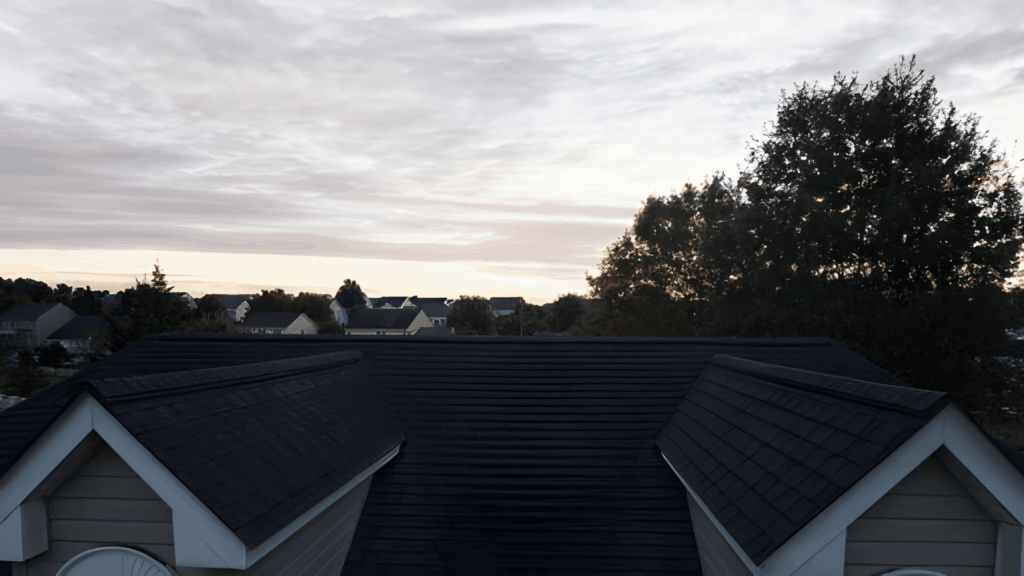
Severe weather in East Texas can leave a roof damaged in a matter of minutes. Hail, high winds, and heavy rain are common in the Gilmer area, and the aftermath often means missing shingles, exposed underlayment, or leaks that spread quickly if left unaddressed. Finding the right roof repair company in Gilmer after a storm is not something homeowners should rush into, but it also is not something that can wait too long.
This guide explains what to look for in a roofing company, how storm damage roofing differs from routine repair work, and what steps to take when you need emergency roof repair in Gilmer. It also covers how local weather patterns affect roof performance over time, so homeowners can make informed decisions both after a storm and before one happens again.
Understanding Storm Damage Roofing in Gilmer
Gilmer sits in a region that regularly experiences thunderstorms, hail events, and strong straight-line winds, particularly during spring and early summer. These conditions put roofing systems through repeated stress, even when the damage is not immediately visible from the ground.
Storm damage roofing covers a wide range of issues, including:
- Missing or torn shingles from high wind gusts
- Bruising or cracking caused by hail impact
- Damaged flashing around chimneys, vents, and skylights
- Granule loss that accelerates shingle aging
- Water intrusion through weakened seams or fasteners
Some of this damage is obvious right after a storm, such as visible gaps in the shingle layer. Other issues, like hail bruising or loosened fasteners, may not cause a leak for weeks or months, which is why a professional inspection after any significant storm is worth scheduling even if the roof looks fine from the driveway.
Why Gilmer’s Climate Plays a Role in Roof Performance
Local weather conditions have a direct impact on how long a roof lasts and how often repairs are needed. Understanding this connection helps homeowners set realistic expectations for maintenance and repair timelines.
Frequent Hail Events
East Texas, including Gilmer, sees a higher than average number of hail events compared to many other parts of the country. Hail impact can bruise shingles, crack protective coatings, and weaken the overall roofing system even when the damage is not visible from ground level. Repeated hail exposure over several years shortens the effective lifespan of most residential roofing materials.
High Wind and Storm Frequency
Strong storm systems moving through the region often bring wind gusts capable of lifting shingles or tearing them away entirely. Wind damage tends to start at roof edges and corners, where uplift pressure is strongest, and can spread across a larger section of the roof if not repaired quickly.
Humidity and Temperature Swings
Gilmer’s humid climate combined with seasonal temperature swings can accelerate the aging process for certain roofing materials. Moisture that gets trapped under damaged shingles or around compromised flashing can lead to rot, mold, and structural issues if repairs are delayed.
Together, these climate factors explain why residential roof repair in Gilmer is not just about fixing visible damage. It also involves understanding how the local environment continues to affect a roof over time.
What to Look for in a Roof Repair Company
Choosing the right roof repair company in Gilmer makes a significant difference in both the quality of the repair and how smoothly the process goes, particularly when dealing with insurance claims after storm damage.
Licensing and Local Experience
A qualified roofing company should be properly licensed and familiar with the specific challenges of the Gilmer area, including local building codes and common storm damage patterns. Contractors with regional experience are often better at spotting damage that out-of-area crews might miss.
Clear Documentation and Communication
After a storm, documentation matters. Reputable Roof Company in Gilmer should provide a written inspection report with photos, which is useful both for repair planning and for supporting an insurance claim. Clear communication about timelines, materials, and costs before work begins helps avoid confusion later.
Response Time for Emergency Situations
When a roof is actively leaking or has significant storm damage, response time becomes a priority. A roofing company that can respond quickly to emergency roof repair calls helps limit interior damage and prevents a small issue from becoming a much larger one.
Warranty on Repair Work
Even repair work, not just full replacements, should come with some form of workmanship guarantee. Ask what is covered if the same issue reoccurs shortly after a repair is completed.
Steps to Take Immediately After Storm Damage
Step One: Document the Damage
Before any repairs begin, take photos of visible damage from the ground, including missing shingles, damaged gutters, or debris on the roof. This documentation supports any insurance claim that may follow.
Step Two: Schedule a Professional Inspection
A licensed roofer can identify damage that is not visible from the ground, including hail bruising or loosened flashing. This inspection typically forms the basis of a repair plan and, if needed, an insurance claim.
Step Three: Address Urgent Issues First
If there is an active leak or exposed underlayment, prioritize emergency roof repair to prevent water from reaching the interior of the home. Temporary measures like tarping can protect the property until permanent repairs are completed.
Step Four: Review Repair Options and Timeline
Once the inspection is complete, discuss repair options, materials, and expected timelines with the contractor. For extensive damage, this may include coordinating with an insurance adjuster before work begins.
The Difference Between Repair and Replacement
Not all storm damage requires a full roof replacement. In many cases, targeted roof repairing addresses the affected area without the cost or disruption of replacing the entire system. Repair is often appropriate when damage is limited to a specific section, such as a few rows of shingles or a section of flashing.
Replacement becomes the better option when damage is widespread, when the roof was already near the end of its expected lifespan, or when repeated storm events have compounded existing wear. A thorough inspection helps determine which approach makes more sense for the specific situation, rather than defaulting to the most expensive option.
Working With a Local Roofing Company
Homeowners searching for a roofing company near me after a storm often have limited time to research multiple contractors, which makes reputation and responsiveness especially important. A dependable roofing service should be easy to reach, transparent about pricing, and willing to explain the scope of work in plain terms.
Hudson Roofing providesresidential roof repairservices for homeowners throughout the Gilmer area, with experience addressing the specific storm damage patterns common to East Texas. From missing shingles to hail-related issues, our team works to identify the full extent of damage before recommending a repair plan.
Conclusion
Storm damage roofing issues in Gilmer are rarely limited to what is visible from the ground. Hail bruising, wind-lifted shingles, and damaged flashing can all lead to bigger problems if left unaddressed, which is why choosing the right roof repair company in Gilmer matters as much as the repair itself. Homeowners who understand how local weather patterns affect roof performance are better equipped to recognize damage early and respond appropriately, whether that means scheduling a routine repair or calling for emergency roof repair after a major storm.
Taking the time to document damage, schedule a professional inspection, and choose an experienced local Roof Company in Gilmer helps protect both the home and the investment in its roofing system. A responsive, transparent roofing company makes the entire process easier to manage, especially during the stressful period following a storm. To get started, reach out to Hudson Roofing for an inspection.
Frequently Asked Questions
Look for granule loss in gutters, dented or bruised shingles, and damaged flashing around vents or chimneys. Since some hail damage is not visible from the ground, scheduling a professional inspection after a significant storm is the most reliable way to confirm the extent of any damage.
An emergency typically involves an active leak, visible daylight through the attic, missing sections of roofing, or a sagging roofline. These issues can allow water to reach the interior of the home quickly and generally require prompt attention rather than waiting for a routine appointment.
Many homeowners insurance policies cover storm-related roof damage, but coverage depends on the specific policy and the cause of the damage. Documenting the damage with photos and a professional inspection report helps support an insurance claim.
Timelines vary based on the extent of the damage and material availability. Minor repairs, such as replacing a section of shingles, can often be completed in a day, while more extensive damage may take longer, particularly if insurance approval is part of the process.
This depends on the extent and location of the damage, as well as the roof’s overall age and condition. A professional inspection can determine whether targeted repairs are sufficient or whether the damage is extensive enough to justify a full roof replacement.