

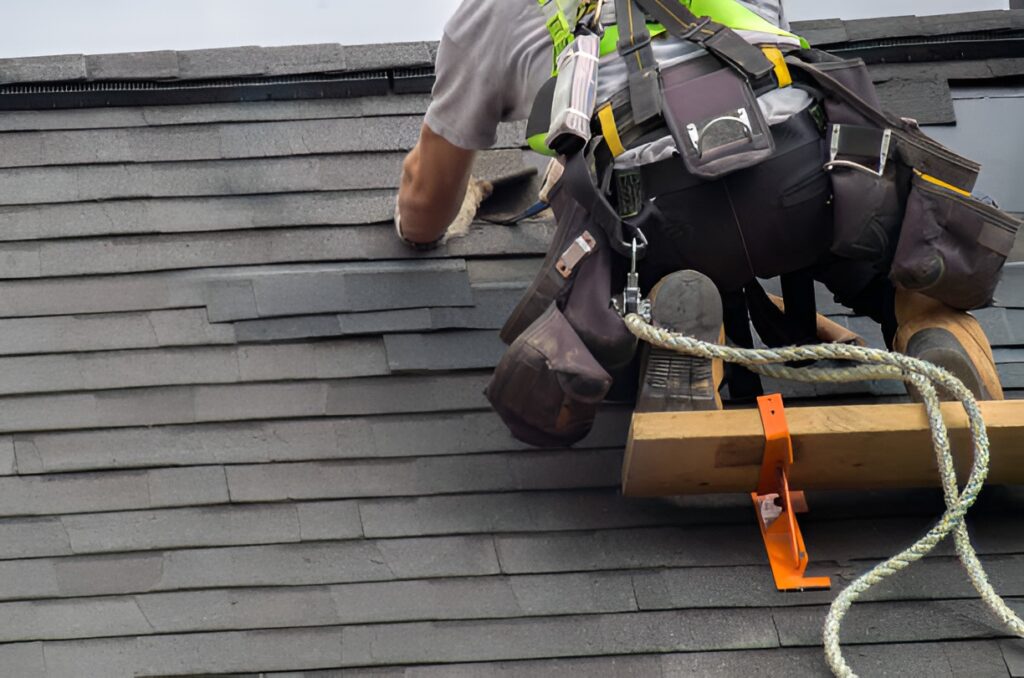
When most homeowners think about their roof, shingles are usually the first thing that comes to mind. But underneath those shingles sits a layer that quietly does most of the heavy lifting: roof sheathing. If you’re researching a roof replacement, understanding roof sheathing (and how it relates to roof decking) can help you make smarter decisions and avoid costly surprises. As a trusted roofing company in Gilmer, TX, we walk homeowners through this layer of the roof every single day, because it affects everything from structural safety to how long your new roof will last.
In this guide, we’ll cover what roof sheathing is, how it relates to roof decking, why it matters for your roof’s overall performance, and what to expect if your contractor finds damaged sheathing during a replacement.
What Is Roof Sheathing?
Roof sheathing is the layer of solid material typically wood panels that sits directly on top of your roof’s rafters or trusses. It creates a continuous, flat surface across the entire roof frame, and everything else (underlayment, shingles, metal panels, tile, etc.) gets installed on top of it. Without sheathing, you’d essentially have shingles nailed to open beams with gaps between them, which would be structurally unsound and completely unable to shed water.
Sheathing is usually made from one of two materials: oriented strand board (OSB) or plywood. OSB is made of compressed wood strands bonded together with resin, while plywood is made of thin wood veneers layered and glued in alternating grain directions. Both are engineered to handle structural loads, but they behave a little differently when exposed to moisture, which becomes relevant later when we talk about damage.
Is Roof Decking the Same Thing as Roof Sheathing?
This is one of the most common points of confusion for homeowners, so let’s clear it up: roof decking and roof sheathing refer to the same component of your roof. “Decking” is simply the older or regional term, while “sheathing” is more commonly used in modern construction and building codes. Some contractors use the terms interchangeably in the same conversation, and that’s completely normal there’s no meaningful technical difference between the two.
That said, homeowners sometimes get thrown off because “decking” also gets used to describe outdoor structures like porches or patios. In roofing, though, decking always refers to the same flat wooden layer that forms the base of your roof structure. If your contractor mentions replacing “decking” versus “sheathing,” they’re talking about the exact same repair.
Why Roof Sheathing Matters for Your Roof Structure
Roof sheathing isn’t just a surface to nail shingles into it’s a functional part of your home’s overall roof structure. It ties the rafters and trusses together, helping distribute weight evenly across the roof and preventing individual framing members from flexing or shifting independently. This matters most during high-wind events and heavy snow loads, when uneven stress on the frame can lead to sagging, cracking, or even structural failure over time.
Sheathing also plays a role in your home’s resistance to racking, which is the side-to-side movement a structure experiences during strong winds or seismic activity. Properly installed and fastened sheathing adds rigidity to the entire roof assembly, which is one of the reasons building codes are strict about sheathing thickness, fastener spacing, and panel orientation. If you’re comparing quotes for residential roofing services, ask how the contractor plans to inspect and fasten the sheathing it’s a detail that’s easy to overlook but has a real impact on how your roof performs for the next 20-plus years.
Signs of Damaged Roof Sheathing
Because sheathing sits beneath your shingles, most homeowners never see it directly until a leak, a soft spot, or a full tear-off reveals a problem. Damaged roof sheathing typically shows up in a few recognizable ways:
- Sagging or dipping areas on the roofline, often visible from the ground or a ladder
- Soft or spongy spots when walking across the roof (a major safety concern)
- Interior water stains on ceilings, especially after storms
- Visible mold, mildew, or discoloration in the attic, particularly around the underside of the roof deck
- A musty odor in the attic space, which often signals trapped moisture
- Daylight visible through the roof deck from inside the attic, indicating rot or gaps
Moisture is the primary enemy of roof sheathing. Once water gets past damaged or aging shingles, it can seep into the wood panels and cause rot, delamination, or fungal growth. OSB tends to swell and lose structural integrity faster than plywood once it’s repeatedly saturated, which is why timely leak repairs matter so much. If you’re noticing any of these warning signs, it’s worth scheduling an inspection through our metal roof repair services team before the damage spreads further into the framing below.
How Sheathing Affects the Roof Replacement Process
When homeowners think about the roof replacement process, they often picture only the visible steps tear-off, underlayment, new shingles. But a proper replacement always includes a sheathing inspection, because installing new shingles over compromised sheathing is a recipe for early failure. Here’s how sheathing typically factors into a replacement project:
- Tear-off and inspection — Once the old shingles and underlayment are removed, the contractor exposes the sheathing and inspects every panel for soft spots, rot, or delamination.
- Spot repairs or full replacement — Damaged sections are cut out and replaced with new panels that match the existing thickness. In cases of widespread damage, especially from long-term leaks, larger sections or the entire deck may need replacing.
- Fastening and code compliance — New or repaired sheathing is fastened according to local building codes, which often specify nail spacing and panel clips designed to improve wind resistance.
- Underlayment and moisture barrier installation — Once the deck is solid and secure, a synthetic or felt underlayment goes down to protect the sheathing from future moisture intrusion.
- Final roofing material installation — Shingles, metal panels, or tile are installed on top of the prepared deck.
Skipping the sheathing inspection step is one of the biggest shortcuts a low-cost roofing bid can take. It might save money upfront, but it sets homeowners up for leaks, sagging, and premature roof failure down the line. A thorough roof repair company in Gilmer will always budget time and cost flexibility into a quote for sheathing repairs, since damage often isn’t fully visible until the old roofing material comes off.
What Damaged Sheathing Means for Your Budget
One of the most common questions homeowners ask during a replacement quote is why the estimate includes a range instead of a flat number. The answer almost always comes back to sheathing. Contractors can’t know the full extent of hidden rot or water damage until the roof is opened up, so reputable companies build in a per-panel replacement cost that only applies if damage is found.
As a rough guideline, replacing a few damaged sheathing panels adds a modest cost to a roof replacement, while replacing large sections of the deck can add significantly more. It’s almost always cheaper to replace sheathing during a scheduled roof replacement than to discover it later through a leak that damages insulation, drywall, or attic components. If your roof is also affecting nearby fixtures like gutters, it’s worth having your gutter repair services evaluated at the same time, since clogged or damaged gutters are a common contributor to sheathing rot along roof edges.
Choosing the Right Materials for Replacement Sheathing
If your contractor determines that sections of your sheathing need replacing, you’ll typically choose between OSB and plywood, assuming your local building code allows either. Plywood tends to hold up slightly better in consistently humid climates because it dries out more evenly and resists swelling. OSB is often more cost-effective and widely used in new construction, and modern OSB products have improved significantly in moisture resistance compared to older versions.
Thickness matters too. Most residential roofs use 7/16-inch to 5/8-inch sheathing, depending on rafter spacing and local code. Thicker panels add rigidity and can be a smart upgrade in areas prone to high winds or heavy snow. This is also a good time to check attic ventilation, since proper airflow reduces the moisture buildup that leads to sheathing damage in the first place. Homeowners updating their roofline sometimes address other exterior upgrades at the same time for example, pairing a roof replacement with window replacement services to improve overall home efficiency in one coordinated project.
Signs You Should Address Sheathing Before It’s an Emergency
Waiting until a leak actively drips into your living room is the most expensive way to discover sheathing damage. Instead, homeowners should treat certain warning signs as a prompt to schedule an inspection sooner rather than later:
- Your roof is approaching or has passed its expected lifespan (typically 20–30 years for asphalt shingles)
- You notice missing, curling, or cracked shingles after a storm
- Your attic insulation feels damp or shows staining
- You’ve had recent hail or high-wind activity in your area
- Your home has additional structures like decks or ramps attached near the roofline, where water can pool or redirect unexpectedly something our decks and ramps services team frequently addresses alongside roofing projects
Catching sheathing issues early almost always means a smaller, more affordable repair rather than a full deck replacement. It also protects the structural warranty on your new roofing materials, since most manufacturers require a sound, properly prepared deck for their warranties to remain valid something worth confirming through your contractor’s warranty documentation before work begins.
Questions to Ask Your Roofing Contractor
Before signing a roof replacement contract, ask a few direct questions about how sheathing will be handled:
- Will you inspect every section of the deck, or only areas with visible damage?
- What’s your per-panel cost for sheathing replacement if damage is found?
- What thickness and grade of sheathing do you use for replacements?
- How do you fasten new sheathing to meet local wind-resistance codes?
- Will damaged sheathing affect my roofing material’s manufacturer warranty?
A contractor who answers these questions clearly and without hesitation is generally a good sign of transparency. Vague answers, or a refusal to include sheathing inspection as a standard part of the replacement process, is a red flag worth taking seriously. If you have questions specific to your home, our team is happy to walk through the details you can reach us anytime through our contact page to schedule a free inspection.
Serving Homeowners Across East Texas
Sheathing problems don’t stop at the Gilmer city limits, and neither do we. Homeowners searching for reliable roofing services in Longview, TX count on the same thorough deck inspection process for every replacement, whether the damage came from age, storms, or a long-standing leak that was never fully addressed.
The same goes for homeowners further south. If you’re comparing a roofing service in Tyler, TX, make sure sheathing inspection and replacement are clearly outlined in the estimate it’s one of the clearest signs you’re working with a contractor who does the job right the first time.
Conclusion
Roof sheathing (also called roof decking) may be hidden beneath your shingles, but it’s one of the most important components of your entire roof structure. It provides the structural backbone that ties your rafters together, creates a stable surface for your roofing material, and directly affects how well your roof holds up against wind, rain, and time. Damaged roof sheathing is often invisible from the ground, which is why a thorough inspection during the roof replacement process is so essential skipping it can lead to premature leaks, sagging, and costly repairs down the road.
Whether you’re planning a full replacement or simply want to understand what your contractor found during an inspection, knowing the basics of roof sheathing puts you in a much stronger position to make informed decisions about your home. If you suspect your roof deck may be compromised, don’t wait for a leak to confirm it a proactive inspection is almost always the more affordable path forward.
Frequently Asked Questions
Yes, roof decking and roof sheathing are the same layer. Sheathing is the modern term, while decking is the older, regional name.
Yes. Look for roofline sagging, soft spots underfoot, ceiling stains, attic mold, musty odors, or daylight through the roof deck.
Not always. Only damaged or rotted panels are replaced, but every proper replacement includes a full sheathing inspection first.
Plywood resists moisture slightly better in humid climates, while OSB is more budget-friendly and widely used today.
No. Installing new shingles over damaged sheathing leads to early leaks, sagging, and often voided manufacturer warranties.