

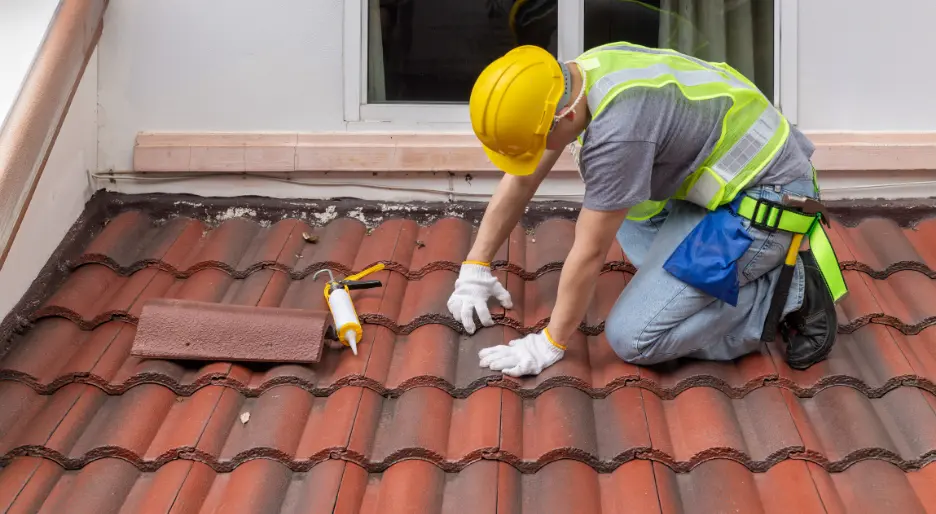
After a severe storm passes, most homeowners focus on cleaning up fallen branches, checking fences, or restoring power. However, one of the most important areas to inspect is often overlooked, the roof. While your roof may appear undamaged from the ground, storms can cause hidden issues that lead to leaks, structural damage, and expensive repairs if left untreated.
After a major storm, scheduling professional roofing services in Longview is one of the best ways to identify hidden roof damage and protect your home from costly repairs. A thorough inspection can uncover problems early, helping you avoid larger repair bills while extending the life of your roofing system.
Whether your home has experienced strong winds, hail, heavy rain, or flying debris, this guide explains why post-storm roof inspections are essential and how they help safeguard your investment.
What Is a Professional Roofing Inspection?
A roofing inspection is a detailed evaluation of your roof performed by experienced professionals to identify visible and hidden damage. Unlike a quick visual check from the ground, a professional inspection examines every critical component of your roofing system to determine its overall condition and identify repairs before they become costly.
During a roof inspection, contractors typically assess:
- Roofing shingles or metal panels
- Flashing around chimneys, skylights, and vents
- Roof decking and structural integrity
- Ridge caps and roof valleys
- Gutters and drainage systems
- Roof ventilation
- Signs of moisture intrusion
- Storm-related damage from wind, hail, or debris
The goal isn’t simply to find problems, it’s to provide homeowners with an accurate assessment and practical recommendations that keep their roofs performing at their best.
Why Longview Roofs Face Greater Storm Damage Risks
Homes throughout Longview and East Texas experience a variety of weather conditions that can gradually weaken roofing systems. From spring thunderstorms and hail to intense summer heat and high winds, these seasonal weather patterns place continuous stress on roofing materials.
Even if your roof was installed correctly, repeated exposure to severe weather can reduce its lifespan.Some of the most common storm-related threats include:
High Winds
Strong wind gusts can loosen or lift shingles without completely tearing them off. Once shingles lose their seal, rainwater can seep underneath and damage the roof decking or underlayment.
Wind can also loosen flashing around roof penetrations, creating hidden pathways for moisture.
Hailstorms
Hail is one of the leading causes of residential roof damage in Texas.
Even smaller hailstones can:
- Crack asphalt shingles
- Remove protective granules
- Dent metal roofing
- Damage flashing
- Shorten the overall lifespan of roofing materials
Because hail damage isn’t always visible from the ground, many homeowners don’t realize repairs are needed until leaks develop months later.
Heavy Rainfall
Heavy rain often exposes existing weaknesses within a roofing system.
Water commonly enters through:
- Damaged flashing
- Loose shingles
- Roof valleys
- Nail penetrations
- Around chimneys and roof vents
Left untreated, moisture can damage insulation, drywall, ceilings, and even the structural framing of your home.
Hidden Roof Damage Most Homeowners Never Notice
One of the biggest misconceptions homeowners have is believing that if there isn’t a visible leak, the roof must be in good condition.
Unfortunately, storm damage is often hidden beneath the surface.
During professional inspections, roofing experts frequently discover issues such as:
- Lifted or loose shingles
- Small punctures caused by flying debris
- Cracked sealant around vents
- Damaged flashing
- Moisture trapped beneath roofing materials
- Soft spots in the roof decking
- Blocked attic ventilation
These issues may not cause immediate problems, but they can worsen over time with every rainfall.
This is why scheduling roofing services Longview homeowners rely on shortly after severe weather is always a proactive decision.
Why You Shouldn’t Wait Until Your Roof Leaks
Many homeowners postpone calling a roofing contractor because everything appears normal after a storm.
However, by the time you notice water stains on your ceiling or walls, the damage has often been developing for weeks or even months.
A small opening in your roofing system can allow moisture to penetrate your attic, where it may affect insulation, wooden decking, drywall, and electrical components before becoming visible inside your home.
Waiting until leaks appear often results in:
- Higher repair costs
- Mold and mildew growth
- Damaged insulation
- Interior ceiling repairs
- Reduced roof lifespan
A professional inspection after severe weather helps identify these issues before they become major expenses.
Benefits of Scheduling Roofing Services in Longview After Every Major Storm
Routine roof inspections are one of the most cost-effective ways to protect your home.
Detect Problems Before They Become Expensive
Minor roofing damage is usually much easier and less expensive to repair than widespread structural issues.
Early inspections help prevent:
- Roof leaks
- Water damage
- Rotting roof decking
- Mold growth
- Premature roof replacement
Extend the Life of Your Roof
Your roof is a significant investment. Addressing small issues quickly can add years to its lifespan while helping you avoid unnecessary replacement costs.
Improve Energy Efficiency
Storm damage can create small gaps that allow conditioned air to escape from your home.
Maintaining a properly sealed roofing system helps improve insulation performance and can contribute to lower heating and cooling costs throughout the year.
Gain Peace of Mind
Knowing your roof has been professionally inspected allows you to move into the next storm season with confidence.
Instead of wondering whether hidden damage exists, you’ll have a clear understanding of your roof’s condition and any recommended next steps.
What Happens During a Professional Roof Inspection?
A professional roof inspection is much more than a quick visual assessment. Experienced roofing contractors examine every major component of your roofing system to identify existing damage, potential problem areas, and signs of wear that could lead to future repairs.
During a typical inspection, professionals evaluate:
| Roofing Component | What Is Inspected | Why It Matters |
| Shingles | Missing, cracked, curled, or loose shingles | Prevents water intrusion and premature roof failure |
| Flashing | Rust, gaps, damaged sealant | Protects vulnerable roof penetrations from leaks |
| Roof Decking | Soft spots, moisture damage, structural integrity | Ensures the roof remains safe and stable |
| Gutters & Downspouts | Blockages, drainage issues, storm debris | Prevents water from backing up onto the roof |
| Roof Vents | Proper sealing and ventilation | Reduces moisture buildup and improves energy efficiency |
| Chimneys & Skylights | Flashing and seal condition | Common areas where leaks begin |
| Attic | Signs of moisture, mold, insulation damage | Detects hidden problems before they spread |
Once the inspection is complete, you’ll receive a clear explanation of your roof’s condition along with recommendations for any necessary repairs or maintenance.
Roof Repair or Roof Replacement: How Do You Know Which One You Need?
Not every storm-damaged roof needs to be replaced. In many cases, timely repairs can restore your roof’s performance and extend its lifespan.
Roof Repair May Be the Best Option If:
- Damage is limited to a small area
- Only a few shingles are missing or damaged
- Flashing requires replacement or resealing
- The roof is relatively new
- There are isolated leaks after a storm
A Roof Replacement May Be Recommended If:
- The roof has widespread storm damage
- Multiple leaks are present
- Roofing materials are nearing the end of their lifespan
- Structural damage has occurred
- Repairs would cost nearly as much as a replacement
A trusted roofing repair company Longview will always inspect your roof first and recommend the most practical and cost-effective solution based on its actual condition.
How Roof Inspections Can Help with Insurance Claims
If your roof has been damaged by hail, high winds, or falling debris, a professional inspection can simplify the insurance claims process.
Many homeowners don’t realize that insurance companies often require documentation showing the extent of storm damage before approving repairs or replacements.
A professional roof inspection can provide:
- Detailed documentation of damage
- High-quality photographs
- A written inspection report
- Repair or replacement recommendations
- Support during the insurance claim process
Scheduling an inspection soon after a storm also helps ensure that damage is documented before it worsens or becomes difficult to attribute to a specific weather event.
Protect Your Home Before the Next Storm Arrives
Your roof is your home’s first line of defense against the elements. Waiting until a leak appears can turn a minor repair into a costly project. A professional roof inspection provides the peace of mind that comes from knowing your roof is ready to withstand the next storm season.
If you’ve recently experienced severe weather or simply want to ensure your roof is in excellent condition, Hudson Roofing is here to help. Our experienced team provides honest inspections, reliable recommendations, and high-quality roofing solutions tailored to the needs of homeowners across Longview and East Texas.
Schedule your professional roof inspection today and let Hudson Roofing help protect what matters most, your home and your family.
Frequently Asked Questions
1. Why is a roof inspection important after a severe storm?
Severe weather can cause hidden damage that isn’t always visible from the ground. A professional inspection helps identify issues such as lifted shingles, damaged flashing, and moisture intrusion before they lead to costly repairs.
2. How soon should I schedule a roof inspection after a storm?
It’s best to schedule an inspection as soon as it’s safe after severe weather. Early inspections help detect damage, prevent further deterioration, and provide documentation if you need to file an insurance claim.
3. Can hail damage my roof even if there are no visible leaks?
Yes. Hail can crack shingles, remove protective granules, and weaken roofing materials without causing immediate leaks. Over time, this hidden damage can reduce your roof’s lifespan and increase the risk of water intrusion.
4. Will my homeowners insurance cover storm damage roofing repairs?
Most homeowners insurance policies cover roof damage caused by sudden weather events such as hail or windstorms. Coverage varies by policy, so it’s important to have your roof professionally inspected and document any storm-related damage.
5. How often should homeowners in Longview have their roofs inspected?
In addition to scheduling an annual inspection, homeowners should have their roof inspected after major storms, hail events, or high-wind conditions to ensure hidden damage is identified and repaired promptly.