

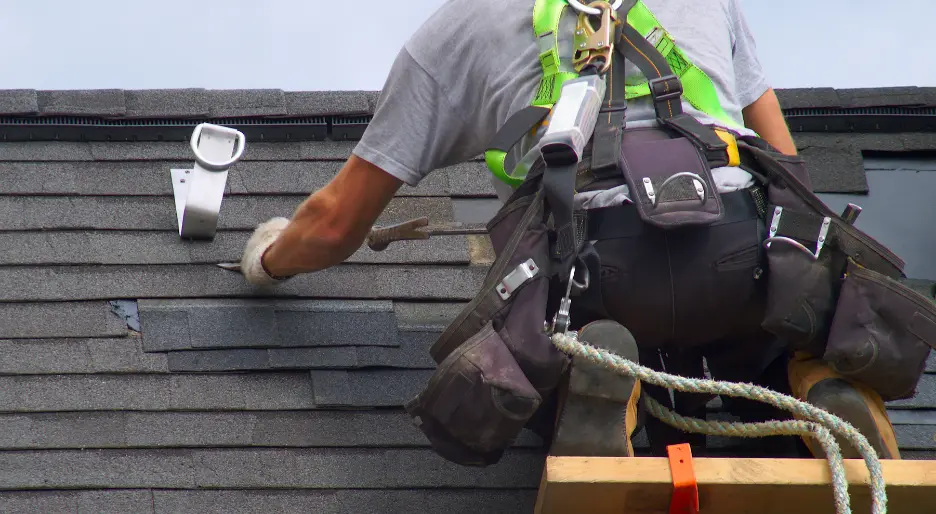
When something goes wrong with your roof, most homeowners reach for the phone and search for the nearest roofing professional. But have you ever paused to wonder what a roofing specialist actually does all day? The role goes far beyond patching a leaky shingle or climbing up a ladder. A qualified roofing specialist in Longview brings together technical knowledge, hands-on skill, local building code familiarity, and an eye for detail that most people never see until something goes wrong.
This guide breaks down the real responsibilities of a roofing specialist, what to expect when you hire one, how their work differs across different roofing situations, and why the right specialist makes a meaningful difference for your property in East Texas.
Understanding the Role of a Roofing Specialist
A roofing specialist is a trained professional who manages the full lifecycle of a roof, from initial assessment through installation, repair, and long-term maintenance. Unlike a general handyman, a roofing specialist focuses entirely on roof systems, which means they develop deep knowledge of materials, drainage, ventilation, structural loads, and weatherproofing.
In Longview, TX, the climate adds a specific layer of complexity to this work. Intense summer heat, seasonal storms, high humidity, and the occasional hail event all affect how roofs age and fail. A roofing specialist in Longview must understand how these local conditions interact with different roofing materials and systems.
During a Roof Inspection in Longview TX
Roof inspection is one of the most important services a roofing specialist provides, and it is often the starting point for any roofing engagement. In Texas, where weather events can silently damage a roof without obvious interior signs, a thorough inspection is not just useful but genuinely necessary.
A good inspection produces a written report. This document should describe the current condition of the roof, identify specific problem areas, estimate remaining service life, and outline recommended actions with approximate costs. If you are working with a reliable roofing service, this report becomes the foundation for any repair or replacement decision you make.
Why Regular Inspections Matter
Many homeowners only call a roofing specialist after water is already coming through the ceiling. By that point, the damage has typically spread well beyond the original entry point. Regular inspections, ideally once or twice a year and after any significant storm, allow problems to be caught early when they are still minor and inexpensive to fix.
For property owners with older roofs, inspections also help establish a timeline for planned replacement. This prevents the unpleasant surprise of an emergency roof failure during a storm and gives homeowners time to budget appropriately.
Roofing Contractor Roles: More Than One Person on the Job
When a roofing project is underway, there is usually more happening than a single person working alone on a roof. Understanding roofing contractor roles helps homeowners know who is responsible for what during their project.
The lead roofing specialist or project manager oversees the scope of work. They review the inspection findings, develop the repair or replacement plan, coordinate material ordering, and communicate directly with the property owner throughout the process. This person is responsible for the technical decisions and for ensuring the work meets local code requirements.
Installation crew members carry out the physical labor. This includes removing old roofing materials, preparing the roof deck, installing under layment, laying new shingles or membrane, cutting and fitting materials around penetrations, and applying sealants. Their work requires both physical endurance and careful attention to manufacturer installation guidelines, which affect warranty validity.
What Does a Roofing Repair Company in Longview Handle?
A roofing repair company Longview homeowners rely on handles a wide spectrum of problems. Some of these are straightforward; others are deceptively complex. Here is a closer look at the types of repair work a qualified specialist manages:
Storm and Hail Damage Repair
East Texas sees its share of severe weather. Hail strikes can fracture asphalt shingles, dent metal panels, crack tile, and damage flashing. Wind-driven rain exploits even small imperfections in a roof system. After a significant storm, a roofing specialist will document the damage thoroughly, which is also useful if you plan to file an insurance claim. Repairs may involve replacing individual shingles, re-securing lifted sections, replacing damaged flashing, or in severe cases, full roof replacement.
Leak Detection and Waterproofing
Water intrusion is one of the most common calls a roofing specialist receives. Locating the true source of a leak is often harder than it sounds, because water travels along structural members before dripping into living spaces. A skilled specialist uses systematic inspection methods to trace leaks back to their origin and seal them properly, rather than applying surface patches that fail within a season.
Flashing Repair and Replacement
Flashing is the metal material installed around roof penetrations, at valleys, and where the roof meets vertical surfaces. When flashing corrodes, separates, or was poorly installed to begin with, it becomes a reliable entry point for water. Flashing repair requires precise fitting and proper sealing and is a task that demands experience to do correctly.
Flat Roof Maintenance and Repair
Commercial properties and some residential additions use flat or low-slope roofing systems. These require specific materials such as modified bitumen, TPO, or EPDM membranes. A roofing specialist experienced with flat roofing understands the unique challenges of ponding water, membrane seam integrity, and drainage system maintenance that these roofs demand.
How a Roofing Specialist Handles New Roof Installation
A full roof replacement is a significant project that involves multiple coordinated steps. Here is a general picture of how a qualified specialist approaches a new installation.
First, the existing roofing material is removed down to the roof deck. The deck itself is inspected for rot, water damage, and structural integrity. Any compromised sections of decking are replaced before anything new goes on top. This step matters because no matter how good the new materials are, they will only perform as well as the surface they are attached to.
If you are looking for a dependable roofing company in the Longview area, choosing one that follows this systematic process gives you confidence that the work will last.
What Sets a Roofing Specialist Apart from a General Contractor
Many general contractors offer roofing as one item on a long list of services. A dedicated roofing specialist is different. Roofing is their primary focus, which means their team’s skills, their equipment, and their professional relationships with material suppliers all center on roofing work.
A specialist understands the nuances of how different systems interact, how local building codes in Texas affect installation requirements, and how to approach problems that do not fit neatly into a standard repair category. They are more likely to carry roofing-specific certifications from manufacturers, which can extend warranty coverage on new installations.
Hudson Roofing is one example of a locally rooted advanced roofing operation serving the East Texas region, with experience across both residential and commercial roofing systems.
Questions to Ask Before Hiring a Roofing Specialist
Choosing the right professional for your roof is worth taking time over. Here are the questions homeowners should ask before signing any agreement:
Are you licensed and insured in Texas? Licensing requirements vary by state, and insurance protects you if a worker is injured on your property or if damage occurs during the work.
Whether you need a roof repair company in Gilmer or are looking for a roofing company in Gilmer TX for a larger project, these questions apply equally and help you make a confident, informed decision.
The Importance of Local Knowledge in East Texas Roofing
Roofing is not a generic trade. The conditions in East Texas create specific demands on roofing materials and systems. High summer temperatures accelerate the breakdown of roofing materials and affect how adhesives and sealants cure during installation. Seasonal storms bring wind, rain, and hail that test every element of a roof system. Humidity encourages mold and wood rot if moisture management is not handled correctly.
This local knowledge cannot be learned from a manual. It develops over years of working in a specific region, observing how materials perform across seasons, and solving the particular problems that East Texas homes and buildings present.
Conclusion
A roofing specialist is a skilled professional whose work protects everything under your roof. From detailed inspections and precise repairs to full roof installations and ongoing maintenance, the scope of what these professionals do is broader and more technically demanding than most homeowners realize. Choosing the right specialist, one with local experience, proper credentials, and a transparent approach to their work, makes a real difference in how long your roof lasts and how well it protects your home.
If you are in the Longview area and have questions about the condition of your roof, repairs that may be needed, or a potential roof replacement, do not wait for a small problem to become a large one. Reach out to a qualified local professional and get a clear picture of where things stand. You can contact Hudson Roofing today to schedule an inspection or discuss your roofing needs with an experienced specialist who knows East Texas.
Frequently Asked Questions
1. How do I know if I need a roof repair or a full roof replacement?
The answer depends on the age of your roof, the extent of the damage, and the overall condition of the roofing system. A roofing specialist will assess whether the damage is isolated or widespread. If more than 30 percent of your roof shows significant wear or damage, replacement is often the more cost-effective long-term choice.
2. How long does a typical residential roof replacement take?
Most residential roof replacements in the Longview area are completed in one to three days, depending on the size and pitch of the roof, the material being installed, and weather conditions.
3. What should I do immediately after a storm damages my roof?
First, stay safe and avoid going onto the roof yourself. Document visible damage from the ground or through windows if possible, using photos. Contact a roofing repair company Longview homeowners trust to schedule a professional inspection as soon as possible.
4. How often should a roof in East Texas be professionally inspected?
A general recommendation is at least once a year, with an additional inspection after any significant storm event involving high winds or hail. Homes with older roofs or roofs that have had previous repairs benefit from twice-yearly inspections.
5. Does the brand of shingles matter, or is installation more important?
Both matter, but installation quality has the greater impact on long-term performance. High-quality shingles installed incorrectly will fail prematurely. Good installation of a mid-range shingle product typically outperforms poor installation of a premium product.